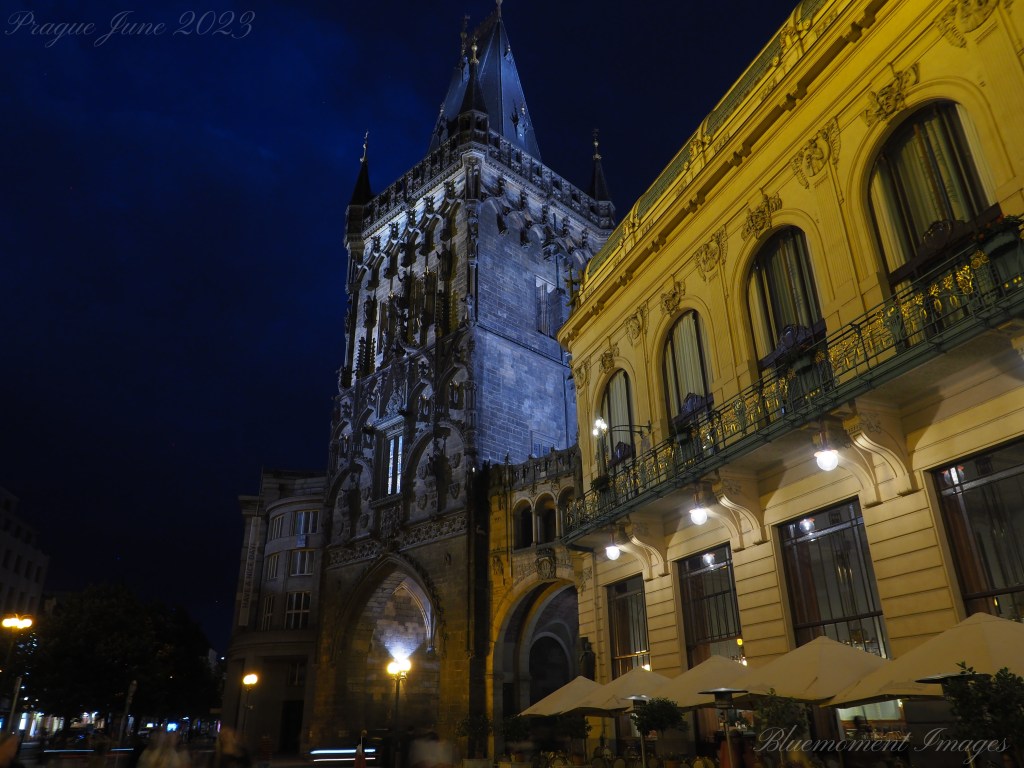
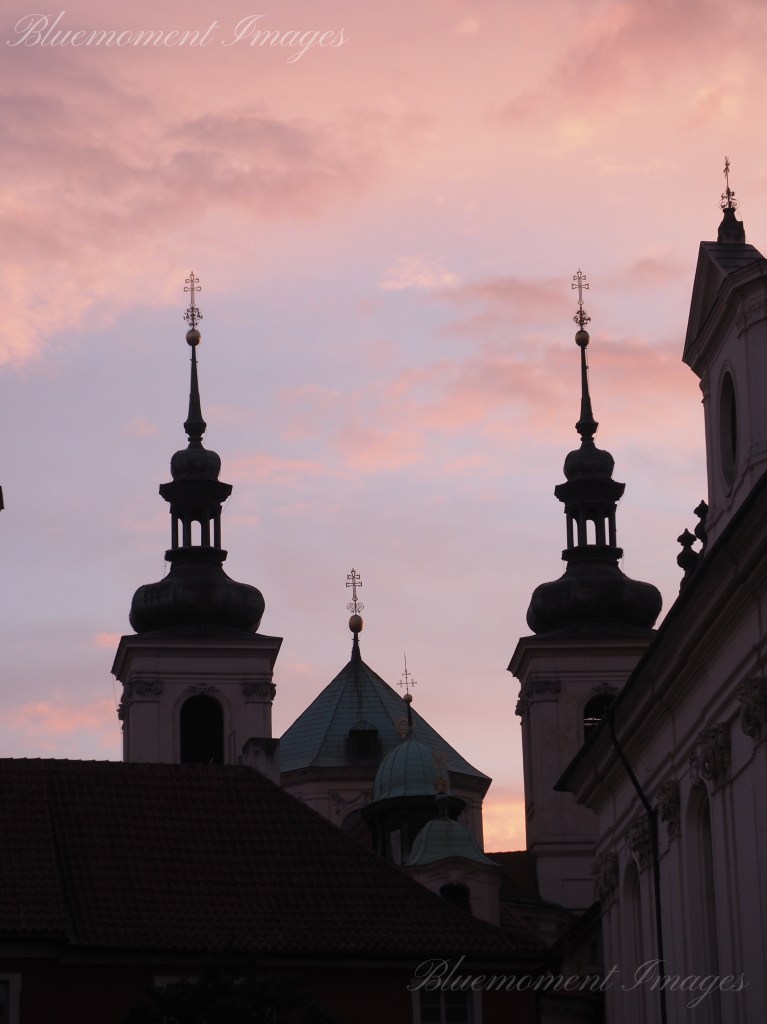
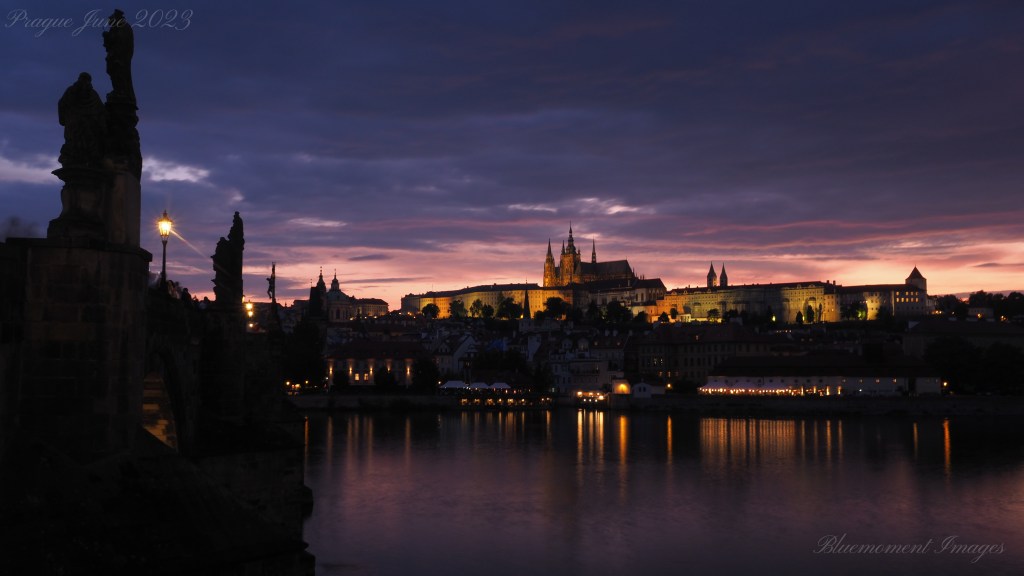
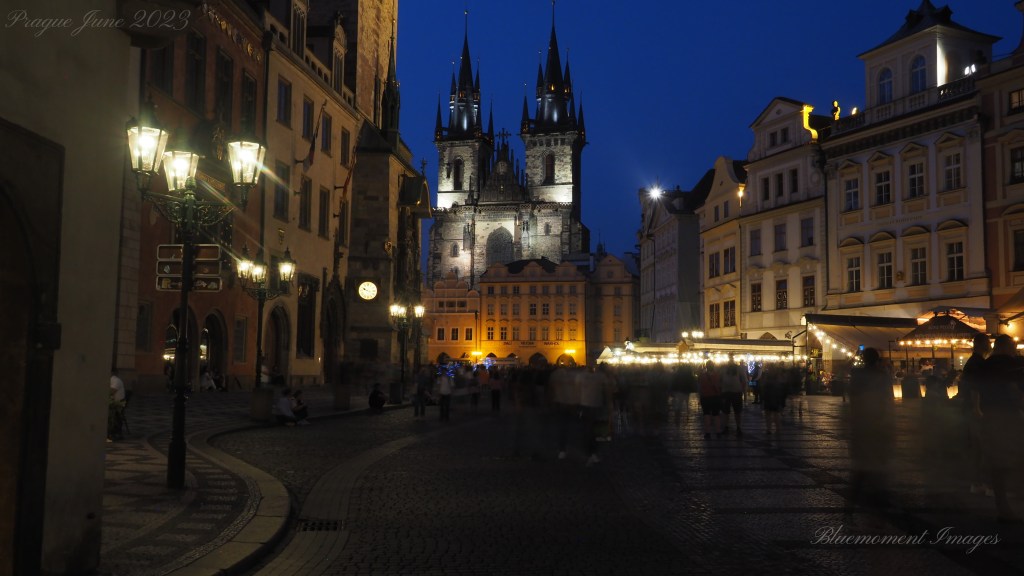
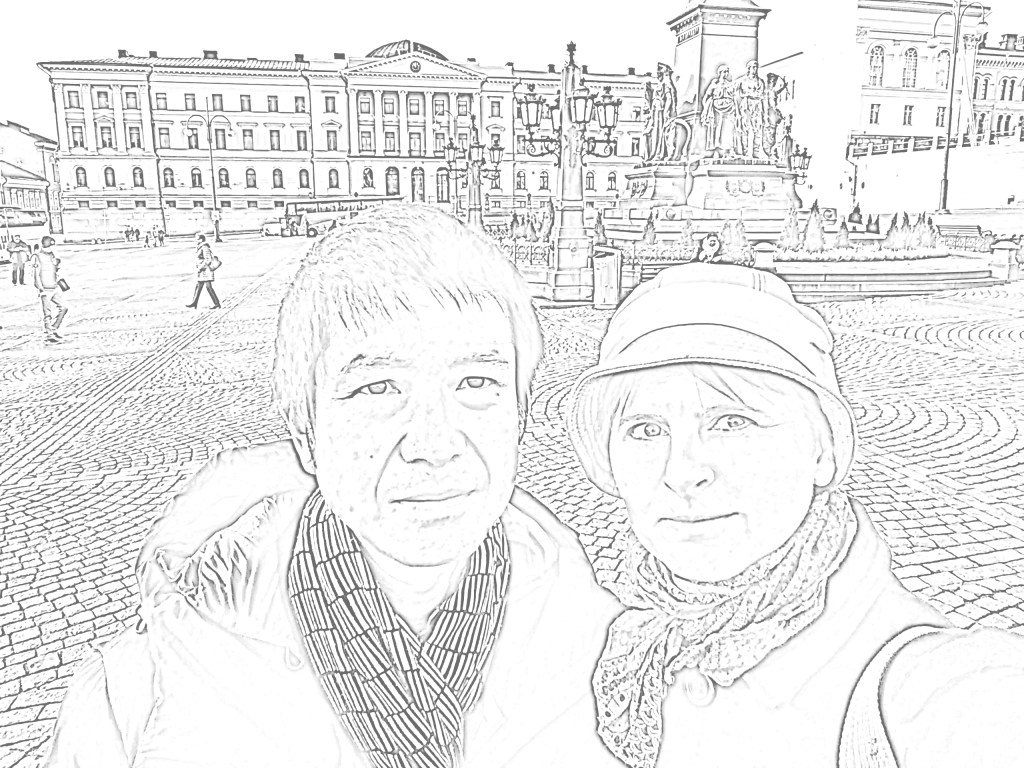
In the mid-June we visited Prague, Czec. I started traveling in Europe in the 90’s. Though there were more than 5 years during which I did not come to Europe, as I immigrated into Australia. Among those European destinations were Western Europe, Southern Europe and Northern Europe. So, to answer a question of why have I not been to this famous city in Czec I finally visited Prague.
Aijka says the difference between Poland and Czec is that the churches are seen as “something decorative but in Poland they are the places for worship”. This can be relevant to the fact that Prague was tourist-friendly. The tourist attractions and shops/restaurants were open later than in Poland. Catholic dominates in Poland (92% of the population) and Czec is not that religious (34% of the population are atheists). As the catholic church is strong and holds the power, probably in such a country they focus on their worship than business, tourism, entertainment, etc. In Czec I was glad that there were souvenir shops everywhere and open late.
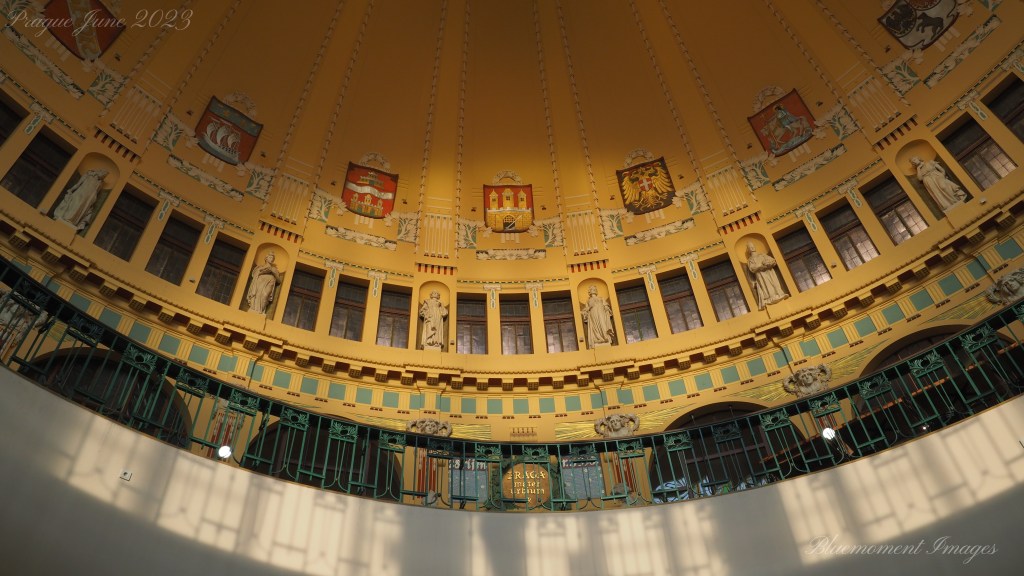
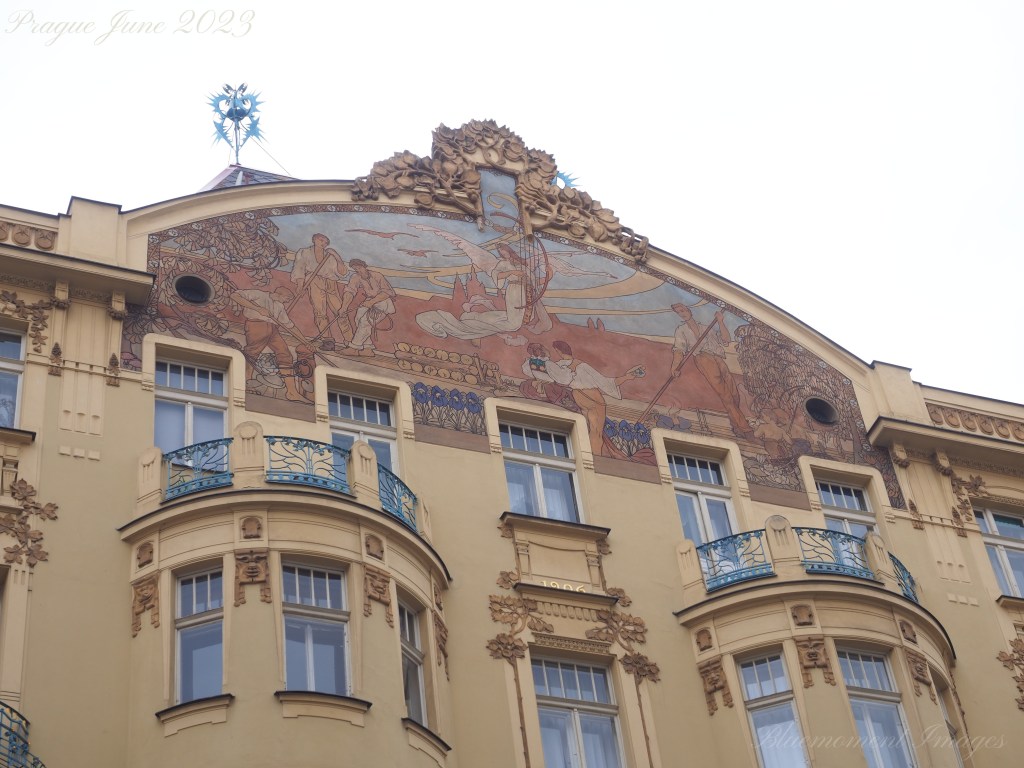
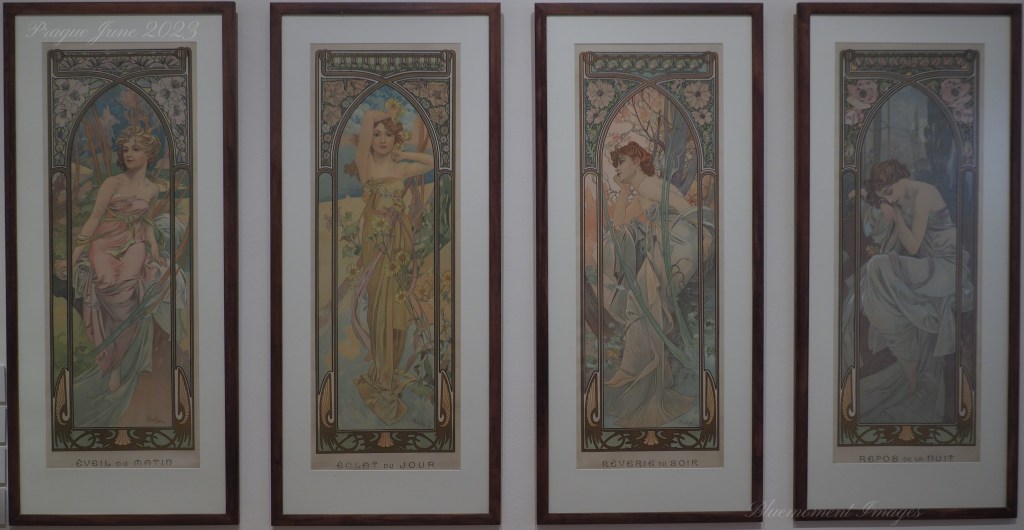
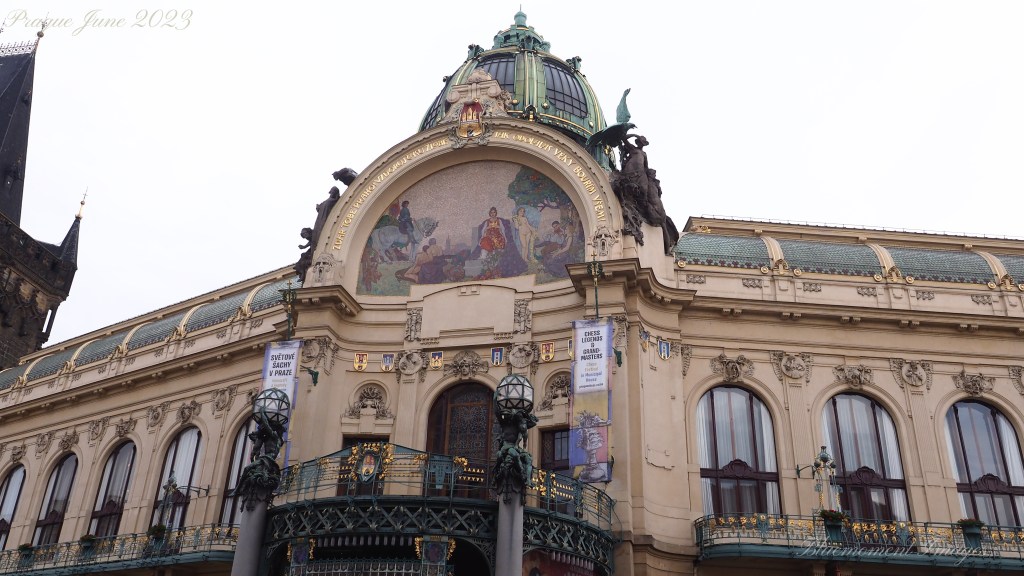
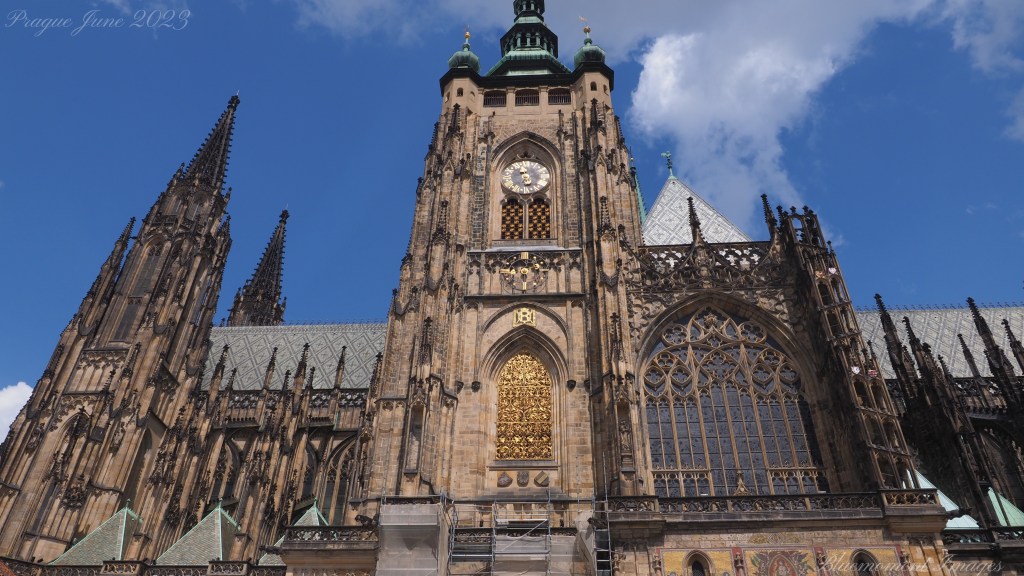
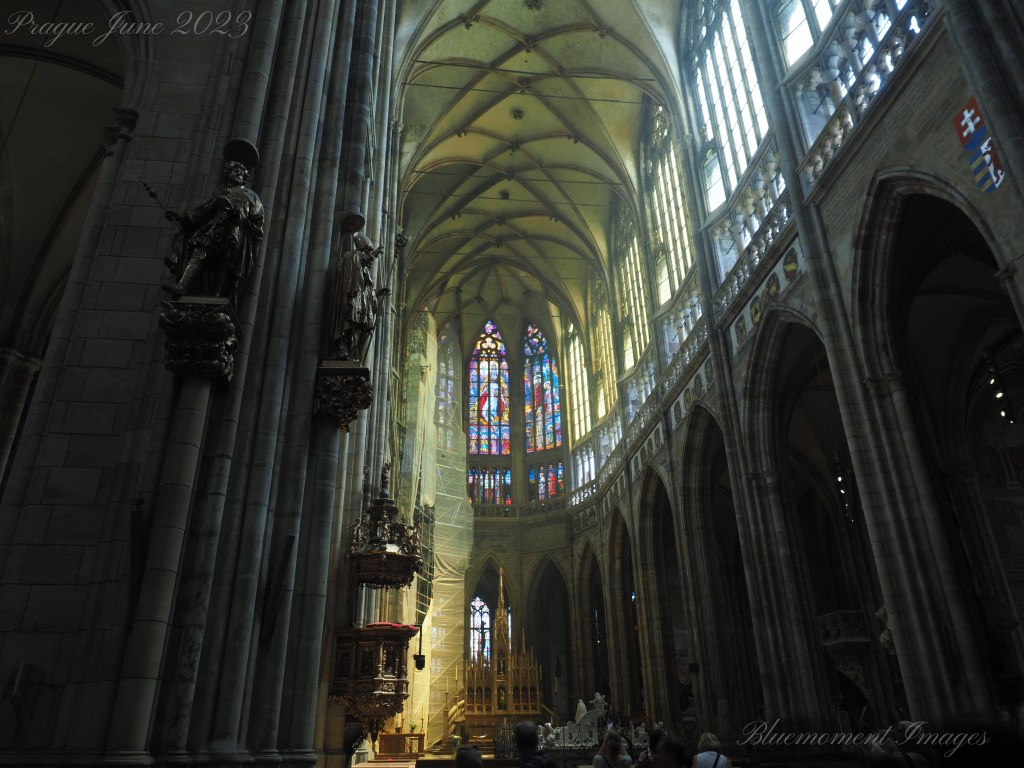
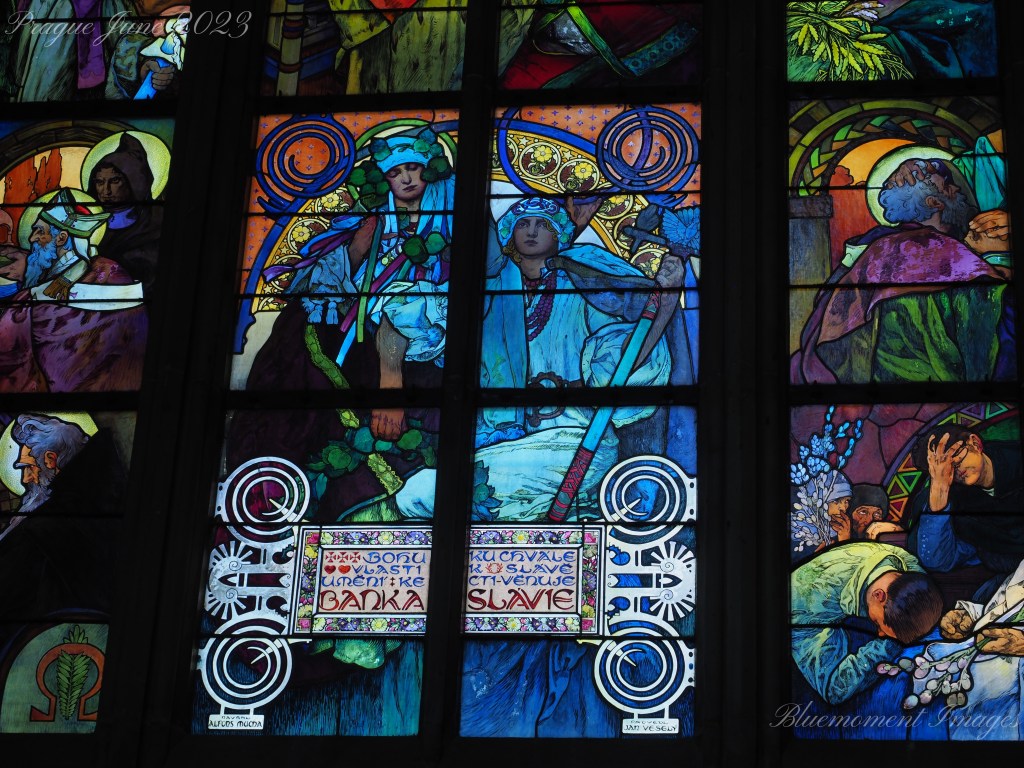
I imagined Czec as an elegant country with rich culture as it is famous for a fine artist, Mucha. Also, Prague is known as a city full of architectural beauty. Aijka said that Czec soon surrendered at the War while Poland fought the war more (which resulted in the destructions of Polish cities). Even so, I was amazed by the well-preserved cityscape of a kind I had never seen in Poland. She said she had seen enough of Prague, however, I would like to visit some more times as staying there for 4 days was far from sufficient.
W połowie czerwca odwiedziliśmy Czeską Pragę. Zacząłem podróżować po Europie w latach 90-tych. Chociaż było ponad 5 lat, podczas których nie przyjeżdżałem do Europy, ponieważ wyemigrowałem do Australii. Wśród tych europejskich miejsc docelowych była Europa Zachodnia, Europa Południowa i Europa Północna. Tak więc, aby odpowiedzieć na pytanie, dlaczego nie byłam w tym słynnym czeskim mieście, w końcu odwiedziłam Pragę.
Aijka mówi, że różnica między Polską a Czechami polega na tym, że kościoły są postrzegane jako „coś ozdobnego, ale w Polsce są miejscami kultu”. Może to mieć związek z faktem, że Praga była przyjazna turystom. Atrakcje turystyczne i sklepy/restauracje były otwarte później niż w Polsce. W Polsce dominuje katolicyzm (92% ludności), a Czesi nie są aż tak religijni (34% ludności to ateiści). Jako, że kościół katolicki jest silny i trzyma władzę, to chyba w takim kraju skupiają się bardziej na kulcie niż na biznesie, turystyce, rozrywce itp. W Czechach cieszyłem się, że wszędzie są sklepy z pamiątkami i są otwarte do późna.
Wyobrażałem sobie Czechy jako elegancki kraj z bogatą kulturą, ponieważ słynie z dobrego artysty Muchy. Ponadto Praga jest znana jako miasto pełne architektonicznego piękna. Aijka powiedział, że Czec wkrótce poddał się wojnie, podczas gdy Polska walczyła bardziej (co spowodowało zniszczenia polskich miast). Mimo to byłem zdumiony dobrze zachowanym pejzażem miejskim, jakiego nigdy nie widziałem w Polsce. Powiedziała, że widziała już dość Pragi, jednak chciałbym odwiedzić ją jeszcze kilka razy, ponieważ pobyt tam przez 4 dni to zdecydowanie za mało.
I have had a lot of difficult experiences in Australia. As I have written in my previous blog “The beginning of the life in Australia”, those experiences might have represented those difficult times and much of my life there.
Even though I have had a course transfer to another university to get Australian permanent visa granted, however, it was very difficult to be a professional translator. The ideal way to live in Australia was to get a professional qualification and find a relevant work. However I gave up that process half way. As I wrote before, if I got older and apply for the permanent visa, that would work against a grant of the visa. In Australia, it is relatively easily to enter a university. The cost of study in Australia is higher for foreign students than the local students (in my impression it was 5 to 10 times higher), so I guess the universities seek profits from foreign students. After giving up the translation course at RMIT University I entered a postgraduate course at La Trobe University in the Eastern Melbourne
The purpose of the study was to be qualified as a Japanese teacher and obtain credits necessary for the permanent visa. At the beginning of the course I enjoyed the school days chatting with classmates. I even met an older Australian lady (perhaps around 5 years older?) lady at the university who drove me on my way home. Again, looking back that time I feel sorry not able to respond well to her nuance of her liking me, though it was also true that I didn’t feel the compatibility with my intuition. On the other hand I also had a problem of reading other ones’ mind enough as I wasted the time dating with an online dating partner who was not interested in me.
Back to the study at the university, the teaching round was very difficult. I didn’t have an idea of or comprehend how to teach at an Australian high school as the teaching methods in both countries are too different. The job of the teachers seemed to me mainly writing on the blackboard and explain the content of the class. And they set us a lot of assignments and quizzes. Meanwhile in Australia the teachers carry out the classes interacting with the students and playing games, etc. The job of teachers in Australia is not simply give instruction on the teaching content but to draw attention from the students by presenting the teaching contents making use of something not relevant to them (i.e. singing, game, drawing, etc).
In my childhood I was told by my parents to read the textbook, ask questions to my parents if it was hard to understand it, and then attend the class. And I put into practice what they told me. My parents and grand parents sometimes taught me. Therefore, listening to the teacher was a matter of course and whether the students were interested in or bored by the teaching was not the matter of the teacher. So, in my idea attracting students’ attention was not the role of the teachers. In my time teachers had the right to physically punish students who did not listen to teachers.
Having to perform what I had ever experienced in my lifetime to be a professional, there was no hope to get qualified. However, in the extra teaching round, I met a kind supervisor who taught me how to teach. She overlooked my lack of experience and let me pass. In this way I could graduate the postgraduate school and had a graduate certificate of a higher educational institution. That made it most probable to be qualified for the permanent resident and had it granted in February following year (2001). However, finding a job was another difficult matter.
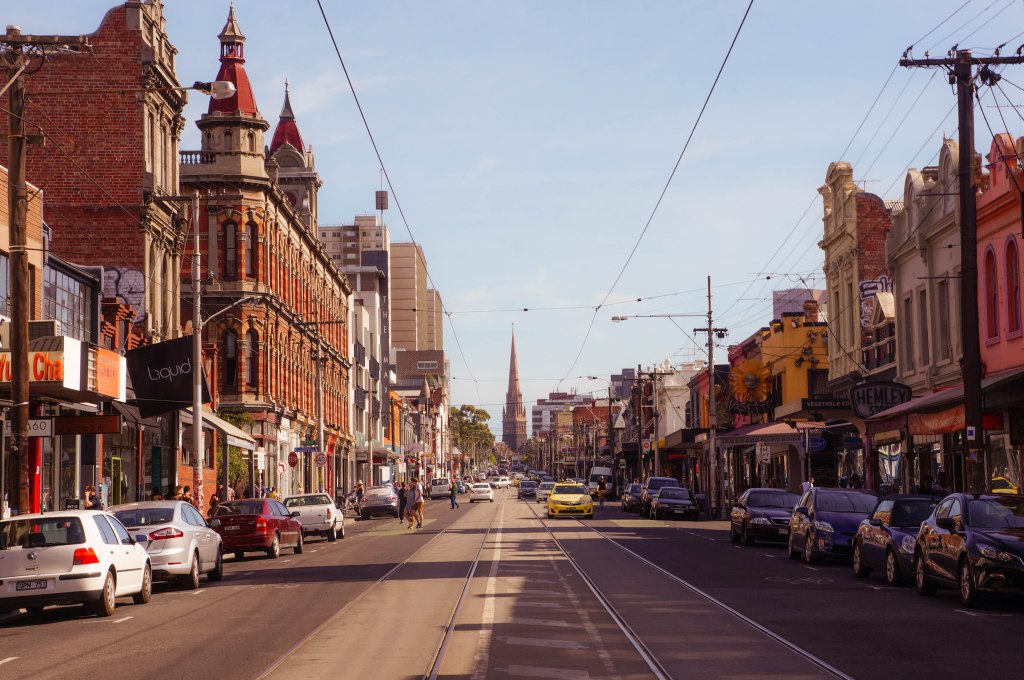
A residential area in a Melbourne suburb (from Wikipedia by WalkingMelbourne)
Miałem wiele trudnych doświadczeń w Australii. Jak napisałem w poprzednim wpisie „Początek życia w Australii”, te doświadczenia mogły reprezentować te
trudne czasy jak i dużą część mojego życia tam. Mimo że zostałem przeniesiony na inny uniwersytet, aby uzyskać stałą wizę australijską, bardzo trudno było być profesjonalnym tłumaczem. Idealnym sposobem na życie w Australii było zdobycie kwalifikacji zawodowych i znalezienie odpowiedniej pracy. Jednak zrezygnowałem z tego procesu w połowie. Jak pisałem wcześniej, gdybym się postarzał i ubiegał o wizę stałą, działałoby to na niekorzyść zdobycia tej wizy. W Australii stosunkowo łatwo jest dostać się na uniwersytet. Koszt studiów w Australii jest wyższy dla studentów zagranicznych niż studentów lokalnych (moim zdaniem był 5 do 10 razy wyższy), więc myślę, że uniwersytety szukają zysków od studentów zagranicznych. Po rezygnacji z kursu tłumaczenia na Uniwersytecie RMIT podjąłem kurs podyplomowy na Uniwersytecie La Trobe we wschodnim Melbourne Celem tych studiów było uzyskanie kwalifikacji nauczyciela języka japońskiego i otrzymanie punktów niezbędnych do uzyskania wizy stałej. Na początku kursu podobały mi się dni wypełnione pogawędkami z kolegami z klasy. Na uniwersytecie spotkałem nawet starszą Australijkę (może około 5 lat starszą?), Która podwoziła mnie do domu. Ponownie, patrząc wstecz, żałuję, że nie byłem w stanie odpowiednio zareagować na jej niuanse, że mnie lubiła, chociaż prawdą było również to, że nie byłoby to w zgodności z moją intuicją co do jej osoby. Z drugiej strony miałem problem z czytaniem w myślach innych, ponieważ marnowałem czas na randki z partnerką poznaną online, która nie interesowała się mną. Wracając do studiów na uniwersytecie praktyka nauczania była bardzo trudna. Nie miałem pojęcia ani nie rozumiałem, jak uczyć w australijskim liceum, ponieważ metody nauczania w obu krajach są zbyt różne. Praca nauczycieli wydawała mi się głównie pisaniem na tablicy i wyjaśnianiem treści zajęć. Wyznaczali nam oni wiele zadań i quizów. Tymczasem w Australii nauczyciele prowadzą zajęcia w interakcji z uczniami, grając w gry itp. Zadaniem nauczycieli w Australii nie jest po prostu udzielanie instrukcji na temat treści nauczania, ale także zwracanie uwagi uczniów poprzez prezentowanie treści nauczania z wykorzystaniem czegoś co ich nie dotyczy (tj. śpiewu, gry, rysowania itp.). W dzieciństwie rodzice kazali mi przeczytać podręcznik, zadać im pytania, gdy czegoś nie zrozumiałem, a następnie wziąć udział w zajęciach. I wprowadzałem w życie to, co mi mówili. Moi rodzice i dziadkowie czasami mnie uczyli. Dlatego słuchanie nauczyciela było sprawą oczywistą, a to, czy uczniowie byli
zainteresowani lub znudzeni nauczaniem, nie było kwestią nauczyciela. Zatem w moim rozumieniu przyciągnięcie uwagi uczniów nie było rolą nauczycieli. Za moich czasów nauczyciele mieli nawet prawo karać fizycznie uczniów, którzy ich nie słuchali. Ponieważ aby zostać profesjonalistą musiałem wykonywać to, czego nigdy nie doświadczyłem w życiu, nie było nadziei na zdobycie kwalifikacji. Jednak w dodatkowym semestrze nauczania spotkałem miłą nauczycielkę, która nauczyła mnie, jak nauczać. Przymknęła oko na mój brak doświadczenia i pozwoliła mi zdać. W ten sposób mogłem ukończyć szkołę podyplomową i uzyskać dyplom ukończenia szkoły wyższej. Dlatego najbardziej prawdopodobne było zakwalifikowanie się na pobyt stały i przyznanie go w lutym następnego roku (2001). Jednak znalezienie pracy było inną trudną sprawą.
If you are learning Japanese you may not feel nowadays the need to take a paid language course or purchase a book thanks to free app and similar services.
I also learn Polish online for free, but I do feel the need to read a grammar book or take a paid course to learn a language systematically. For example of you talk about past, present and future events, without grammatical rules you may not be able to express yourself.
Here I would like to recommend a book to learn Japanese grammar and a course with free trial. Please find them out by clicking the image below:
Jeśli uczysz się japońskiego, w dzisiejszych czasach możesz nie odczuwać potrzeby podjęcia płatnego kursu językowego lub zakupu książki dzięki bezpłatnej aplikacji i podobnym usługom.
Uczę się również polskiego online za darmo, ale czuję potrzebę czytania książki gramatycznej lub uczestnictwa w płatnym kursie, aby systematycznie uczyć się języka. Na przykład mówisz o przeszłych, obecnych i przyszłych wydarzeniach, bez reguł gramatycznych możesz nie być w stanie wyrazić siebie.
Tutaj chciałbym polecić książkę do nauki gramatyki japońskiej i kurs z bezpłatnym okresem próbnym. Znajdź je, klikając obraz poniżej:
Some of the readers of this blog may be interested in Japanese cuisines or would like to cook them. For those people I would like to recommend the following books:
ポーランド語を学習されたい方がいましたら、こちらです。Here are books for you if you would like to learn Polish
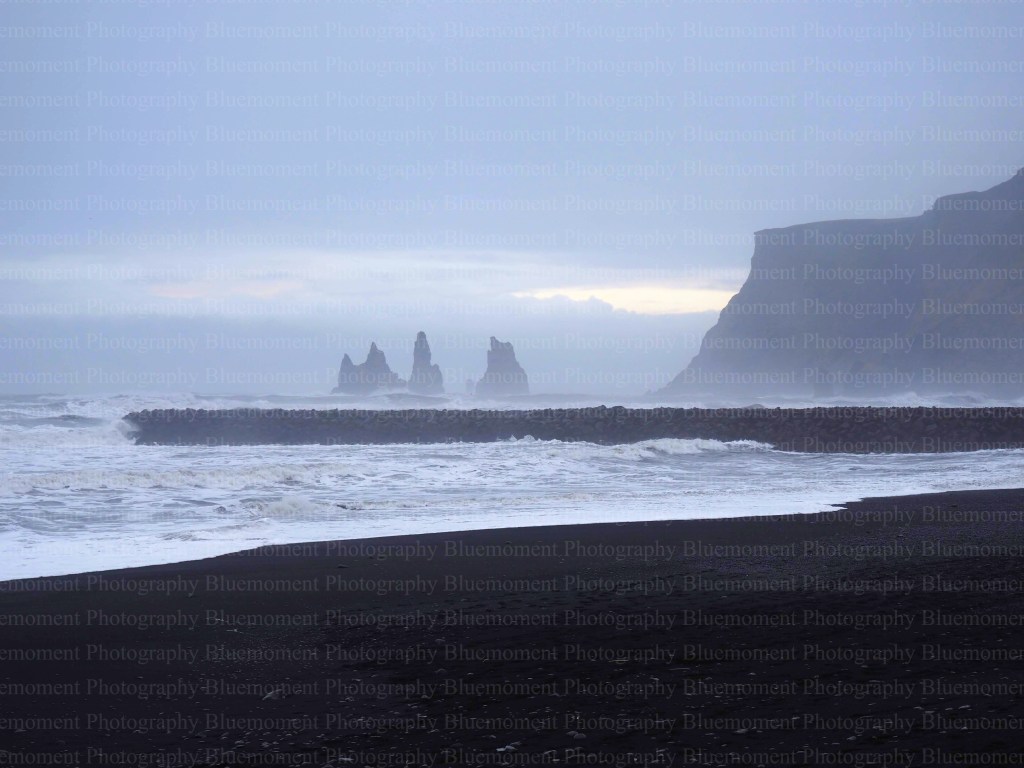
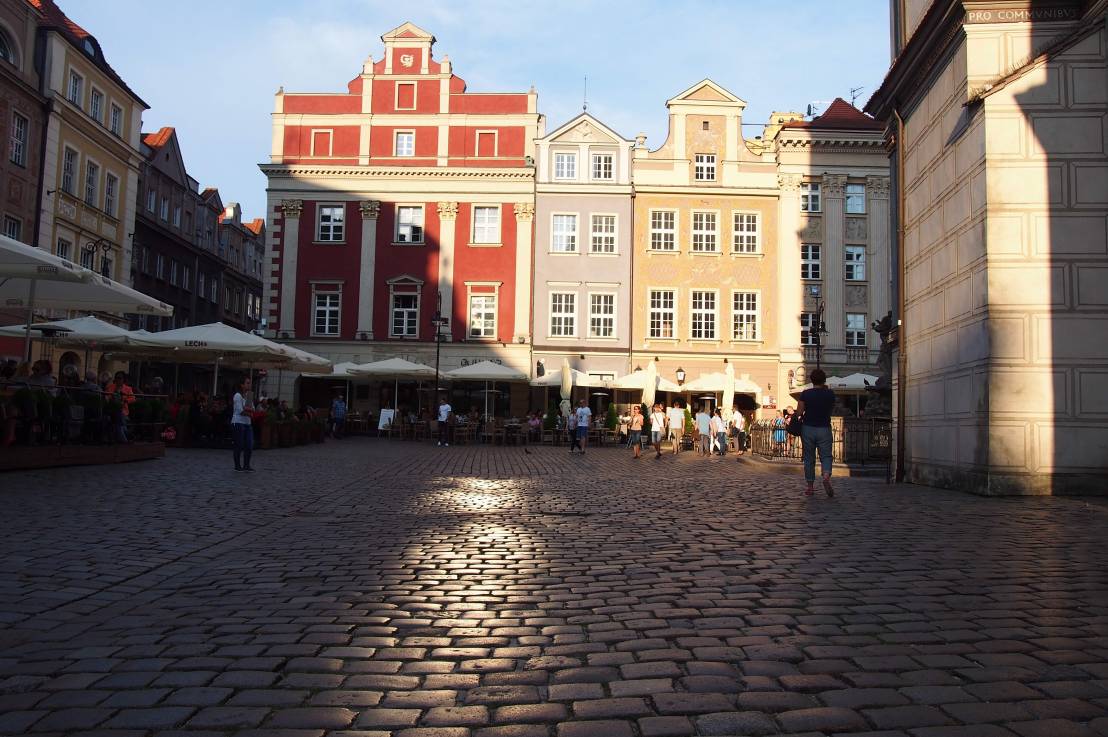
P.S. I take photos for both my stockphotos collection and my own collection. Today I would like to invite you to my stockphotos collections. Should you are interested to see my photos please click the photo below: ストックフォトと自身のコレクションのために写真を撮っています。ご興味のある方は、下の写真をクリックしてください。 Robię zdjęcia zarówno dla Stockphoto jak i do mojej własnej kolekcji. Dzisiaj chciałbym zaprosić Was do mojej kolekcji na Stockphoto. Jeśli jesteście zainteresowani, kliknijcie w zdjęcie poniżej.
When I was watching a Japanese film with Ajka on the other day, a conversation between a wife and husband was displayed in a subtitle in Polish. The Japanese wife was addressed as “Mother (in Japanese “Okaasan”)” in the scene and the Polish subtitle was written “Kochanie”. I believe there is no equivalent Japanese word for “Kochanie”. There was a discrepancy between what actually spoken and the subtitle, so Aijka asked me if the subtitle was mistranslated. No, the subtitle was not a mistranslated. In Japan to many of women, having a child is an important goal in marriage. Meanwhile once they have a child, at least loving loses its importance. What become more important will be raising a child. Therefore, once a couple has a child, a wife and husband will be addressed as “Mother “ and “Father” respectively. In that situation some women are more or less tolerant of love affairs or husband visiting adult services. In my impression Western men and women generally consider marriage as the consequence of a love relationship, though I also hear about cheating. So, what are the common marital couples like in Poland?
Kiedyś gdy oglądałem z Ajką japoński film, w napisach po polsku była konwersacja pomiędzy mężem i żoną. W tej scenie do japońskiej żony mąż zwracał się per „Matka” (po japońsku „Okaasan”), a w napisach było napisane „Kochanie”. Według mnie w japońskim nie ma słowa takiego jak „Kochanie”. Była rozbieżność między tym, co było powiedziane, a napisami, więc Ajka zapytała mnie czy napisy były poprawne. Nie, napisy nie tłumaczyły źle. W Japonii dla wielu kobiet posiadanie dziecka jest ważnym celem w małżeństwie. Kiedy już jest dziecko, wzajemne kochanie się małżonków traci swoje znaczenie. To, co staje się ważniejsze to wychowywanie dziecka. Dlatego jak para ma dziecko, żona i mąż zwracają się do siebie per „Matka” i „Ojciec” z szacunkiem. W tej sytuacji niektóre kobiety mniej lub bardziej tolerują romanse męża lub jego wizyty w usługach dla dorosłych. Mam wrażenie że zachodni mężczyźni i kobiety uważają małżeństwo za konsekwencję relacji miłosnej, aczkolwiek słyszę też czasami o oszukiwaniu. Tak wiec, jakie są typowe pary małżeńskie w Polsce?
If you are learning Japanese you may not feel nowadays the need to take a paid language course or purchase a book thanks to free app and similar services.
I also learn Polish online for free, but I do feel the need to read a grammar book or take a paid course to learn a language systematically. For example of you talk about past, present and future events, without grammatical rules you may not be able to express yourself.
Here I would like to recommend a book to learn Japanese grammar and a course with free trial. Please find them out by clicking the image below:
Jeśli uczysz się japońskiego, w dzisiejszych czasach możesz nie odczuwać potrzeby podjęcia płatnego kursu językowego lub zakupu książki dzięki bezpłatnej aplikacji i podobnym usługom.
Uczę się również polskiego online za darmo, ale czuję potrzebę czytania książki gramatycznej lub uczestnictwa w płatnym kursie, aby systematycznie uczyć się języka. Na przykład mówisz o przeszłych, obecnych i przyszłych wydarzeniach, bez reguł gramatycznych możesz nie być w stanie wyrazić siebie.
Tutaj chciałbym polecić książkę do nauki gramatyki japońskiej i kurs z bezpłatnym okresem próbnym. Znajdź je, klikając obraz poniżej:
Some of the readers of this blog may be interested in Japanese cuisines or would like to cook them. For those people I would like to recommend the following books:
ポーランド語を学習されたい方がいましたら、こちらです。Here are books for you if you would like to learn Polish
P.S. I take photos for both my stockphotos collection and my own collection. Today I would like to invite you to my stockphotos collections. Should you are interested to see my photos please click the photo below: ストックフォトと自身のコレクションのために写真を撮っています。ご興味のある方は、下の写真をクリックしてください。 Robię zdjęcia zarówno dla Stockphoto jak i do mojej własnej kolekcji. Dzisiaj chciałbym zaprosić Was do mojej kolekcji na Stockphoto. Jeśli jesteście zainteresowani, kliknijcie w zdjęcie poniżej.
As wrote in the previous post, during the 90’s while visiting almost every year to London my will to live oversea became firm. To put it in a good way I am a man of inner fortitude and to put it in a bad way I can be perverse and stubborn. In addition I tend to find a passion with something unique. So, I had not felt good about the aspect of Japanese culture in which establishing good human relationship through falling in line with others is considered a virtue (even by telling a lie for being on good terms). While learning the language and enjoying English conversations, I grew up wishing to spend everyday life overseas. And being a foreigner overseas was not bad to me. Although I didn’t have a logical basis I felt like by learning English I was gaining a new power and that a new way would be waiting for me in the future. One fact I could realize is that my trains of thoughts had changed while talking in English and Japanese and was enjoying that. I spent some time learning English when I was still taking courses at the Japanese university, so I aimed to find a corporate position in a Japanese company. I also aimed to save money and gain work experience for 3 years, strengthen my English skills and then move overseas. When I visited companies to get employed, at job interviews I frequently talked about my life in London, which had nothing to do with the benefits for the company it took 10 months of troubles before finally finding a position.
Tak jak napisałem w poprzednim poście, w latach dziewięćdziesiątych w trakcie zwiedzania Londynu niemalże co roku, moje postanowienie aby mieszkać za granicą ukształtowało się ostatecznie. Patrząc na mnie z dobrej strony – jestem człowiekiem z wewnętrznym hartem ducha, a patrząc ze złej – potrafię być przewrotny i uparty. Dodatkowo potrafię znaleźć pasję w czymś wyjątkowym. Tak więc nie czułem się dobrze z tym aspektem japońskiej kultury, w którym ustanawianie dobrych relacji międzyludzkich poprzez bycie zgodnym z innymi jest uznawane za wartość (nawet poprzez mówienie kłamstw dla dobrych relacji). W czasie nauki angielskiego i czerpania przyjemności z konwersacji, rozwinąłem pragnienie, by żyć codziennie za granicą. Bycie obcokrajowcem za granica nie było dla mnie złe. Mimo, że nie było w tym logicznych podstaw, czułem, że ucząc się angielskiego zdobywałem nowe moce i że w przyszłości czekała na mnie nowa droga. Jednym z faktów jakie sobie uświadomiłem było, że mój tok myślenia zmieniał się w czasie mówienia po angielsku i po japońsku, co mnie cieszyło. Spędziłem trochę czasu ucząc się angielskiego kiedy ciągle studiowałem na japońskim uniwersytecie więc postanowiłem sobie znaleźć stanowisko w jakiejś japońskiej firmie. Postawiłem sobie za cel oszczędzić pieniądze i zdobyć doświadczenie zawodowe przez trzy lata, wzmocnić się z angielskiego i potem przeprowadzić się za granicę. W czasie odwiedzania firm w celu znalezienia zatrudnienia, na rozmowach kwalifikacyjnych często mówiłem o moim życiu w Londynie, co nie miało nic wspólnego z korzyściami dla danej firmy i zajęło mi dziesięć miesięcy zanim w końcu znalazłem pracę.
P.S. I take photos for both my stockphotos collection and my own collection. Today I would like to invite you to my stockphotos collections. Should you are interested to see my photos please click the photo below: ストックフォトと自身のコレクションのために写真を撮っています。ご興味のある方は、下の写真をクリックしてください。 Robię zdjęcia zarówno dla Stockphoto jak i do mojej własnej kolekcji. Dzisiaj chciałbym zaprosić Was do mojej kolekcji na Stockphoto. Jeśli jesteście zainteresowani, kliknijcie w zdjęcie poniżej.











 Japanese Man in Poland - following the inner voice ポーランドの日本人 心の声を追って Japończyk w Polsce - podążając za wewnętrznym głosem