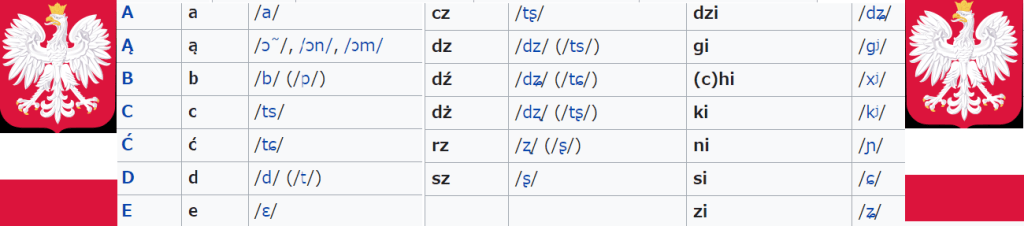
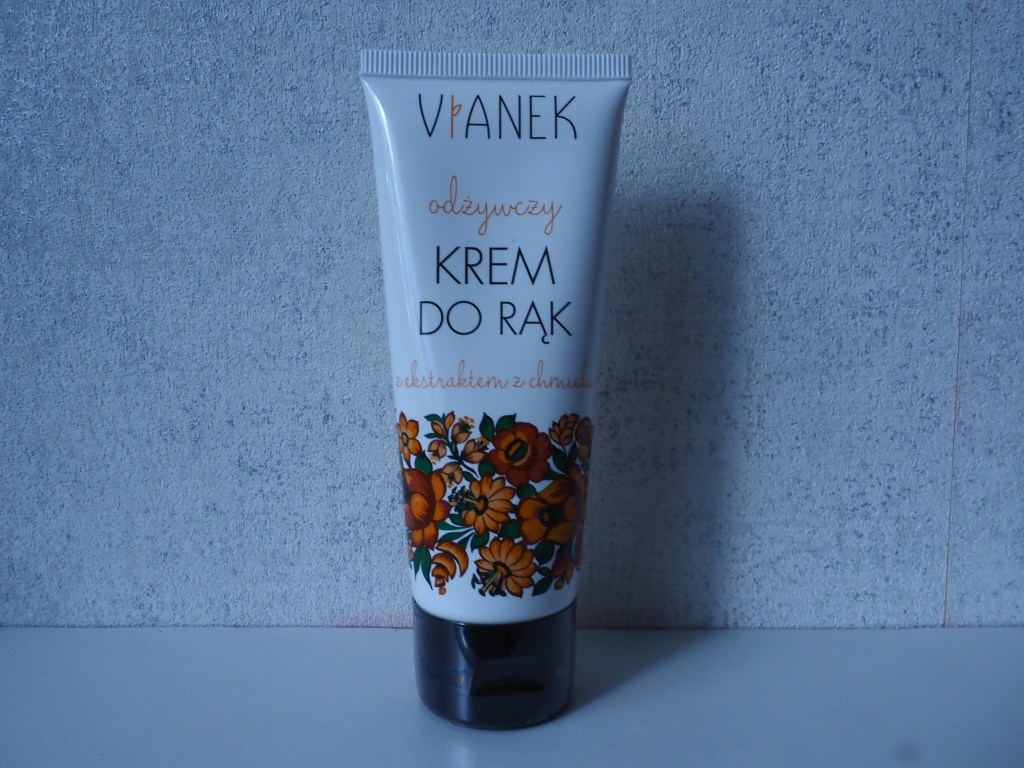
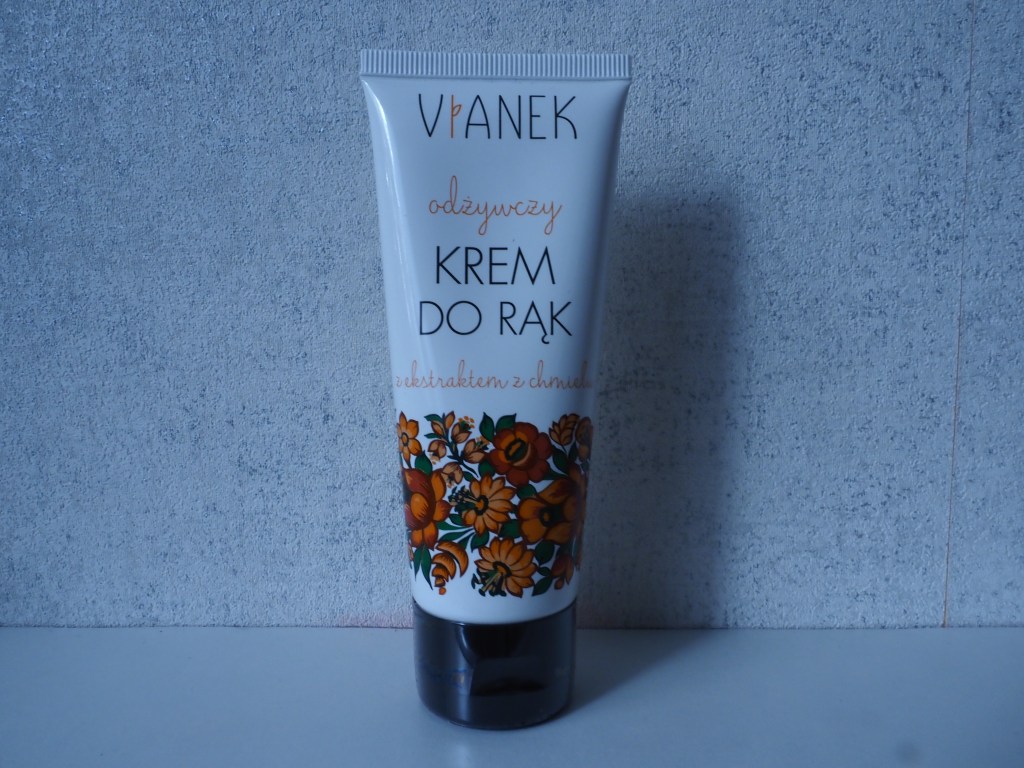
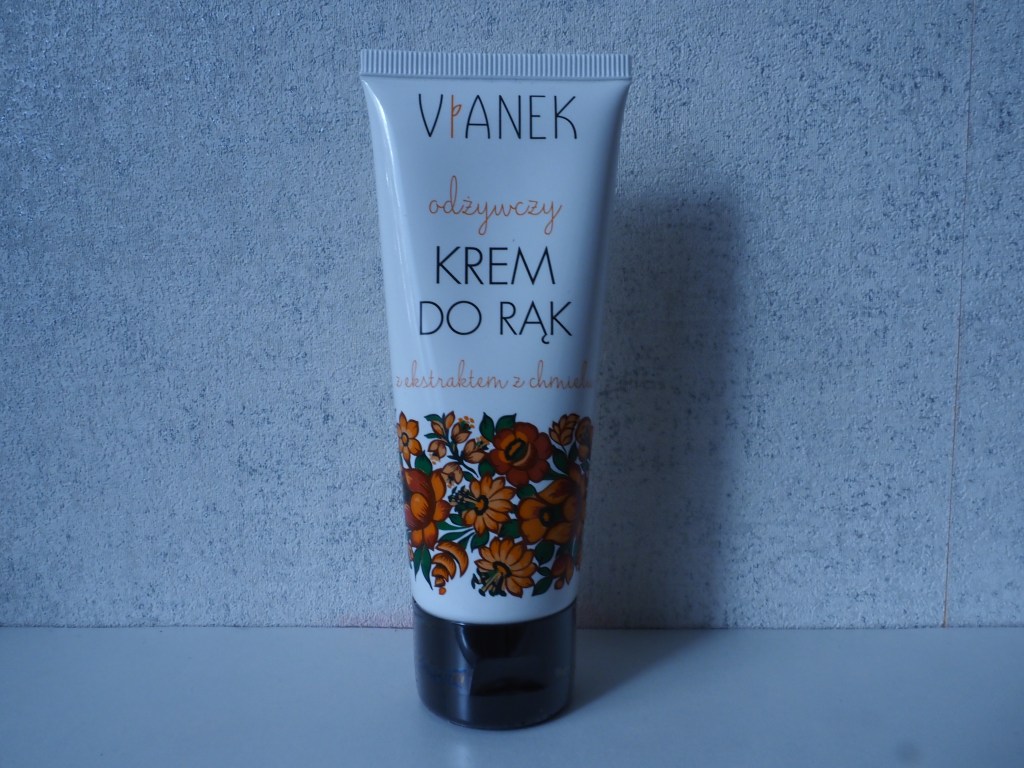
しばらく前のある日、私はボディローションを探して戸棚を空け、あるクリームのチューブを手に取りました。もちろんポーランド語で何のクリームかが書いてあります。「Krem do rąk」とありました。「何だろう?」とポーランド語の文字「ą」のない私のPCで何気にグーグル検索をし、「krem do rak」とタイプました。
Funny events that happened to me in Poland (language)
Today I would like to write about what I saw in Poland focusing on Polish language
Greeting
Probably you consider that Japanese are a polite people. Can that be because of their impression like bowing? However, as is mentioned in the previous blog, some of their thoughts can be rude ones.
From my view point, Polish greet more often than Japanese. Many of them say “Goodbye (Do widzenia)” at the supermarkets or shops. One day I said after the checkout “Do widzenia” like Polish do, another shopper waiting behind me responded to me with the same words. I had never been greeted by a stranger in such a way at the checkout point of a supermarket. In another scene, at a sauna, each time when the people come in and out, they greet. Japanese might feel it bothering to do such a thing. Greeting so often to me is a polite custom.
“Goga”, “Gosia”, “Gocha”, “Kasia”, “Kaśka”, “Agata”, “Ania”… They are all the names of Polish women. They sound to me all similar and make me feel a bit overwhelmed. The reason for that those names sound similar is apparently that many Polish women share a name and they need to use slightly different nicknames.
A “frightening” hand cream
A while ago, when I was alone at home I opened the door of a shelf and picked up a cream tube. Of course the kind of the cream is written in Polish. It said “Krem do rąk”. Wondering what it was, I google searched “Krem do rak” with my PC which has no option to type the Polish character “ą”.
“What!!??” The translation result output at that time was “cream to cancer”!
“Ohhhhh! A cream for cancer…” “Wait! That is not possible.” So, I machine translated it again. However each time I repeated they were translated into “cream to cancer”. Later I asked Aijka and learned with relief she does not have a cancer and in Polish there is a character “ą” which is similar to “a” yet different. Currently it seems Google have corrected this matter and they are translated into “hand cream”. What I should have typed was “krem do rąk”, not “krem do rak”
I wish Polish will develop a cream to cure cancer (yes exactly “krem do rąk”) in order to the friendship with Australia where the rates of skin cancer are high!
Śmieszne wydarzenia, które przydarzyły mi się w Polsce (dotyczące języka) Dziś chciałbym napisać o tym, czego doświadczyłem w Polsce, skupiając się na języku polskim
Powitanie Prawdopodobnie uważasz, że Japończycy to uprzejmi ludzie. Czy może to być spowodowane wrażeniem jakie robią pokłony? Jednak, jak wspomniałem w poprzednim wpisie, niektóre z ich myśli mogą być niegrzeczne. Z mojego punktu widzenia Polacy witają się częściej niż Japończycy. Wielu z nich mówi „Do widzenia” w supermarketach lub sklepach. Pewnego dnia powiedziałem odchodząc od kasy „Do widzenia” jak to robią Polacy i inny klient czekający za mną odpowiedział mi tymi samymi słowami. Nigdy wcześniej nie zostałem pozdrowiony przez nieznajomego w taki sposób przy kasie supermarketu. W innej scenie, w saunie, za każdym razem, gdy ludzie wchodzą i wychodzą, witają się lub żegnają. Japończyk może czuć się tym zakłopotany. Witanie mnie tak często to grzeczny zwyczaj.
Imiona Polek „Goga”, „Gosia”, „Gocha”, „Kasia”, „Kaśka”, „Agata”, „Ania”… To imiona Polek. Brzmią dla mnie podobnie i sprawiają, że czuję się trochę przytłoczony. Powodem tego, że te imiona brzmią podobnie, jest najwyraźniej to, że wiele Polek ma takie samo imię i muszą używać nieco innych jego form.
Przerażający krem do rąk Jakiś czas temu, gdy byłem sam w domu, otworzyłem drzwiczki szafki i wziąłem tubkę z kremem. Oczywiście rodzaj kremu był napisany po polsku. Brzmiał on „Krem do rąk”. Zastanawiając się, co to jest, wyszukałem w Google „Krem do rak” na moim komputerze, który nie ma opcji wpisania polskiego znaku „ą”.
Wynik był… “Co!!??” Wynik tłumaczenia w tamtym czasie brzmiał: „krem na raka”! „Ohhhhh! Krem na raka… ”„ Czekaj! Nie jest to możliwe.” Więc ponownie przetłumaczyłem maszynowo. Jednak za każdym razem, gdy powtarzałem, słowa te były tłumaczone jako „krem na raka”. Zapytałem potem Ajkę i z ulgą dowiedziałem się, że nie ma raka, a w języku polskim jest znak „ą” podobny do „a”, ale inny. Obecnie wydaje się, że Google poprawiło tę kwestię i słowa te są tłumaczone na „krem do rąk”. Powinienem był wpisać „krem do rąk”, a nie „krem do rak”.
Chciałabym, żeby Polak opracował krem do leczenia raka (tak właśnie „krem do rąk”) w imię przyjaźni z Australią, gdzie zachorowalność na raka skóry jest wysoka!
If you are interested in Polish language, please have a look at it: US site UK site
It’s been two years and a few months since I arrived in Poland. There have been things that surprised me and that didn’t surprised me. I know the fact that Polish are loud and are do not as much consider as Japanese the feelings of their neighbors, and that car driver may not stop before the pedestrian crossing or not too often give ways to others. Those can be observed in Australia as well.
I experience the first surprising matter a few months after arriving in Poland. We were lack of the toilet paper on the distant trains and at some public toilets. So, now I make it a rule to take a box of tissue paper, and a wallet with soap and disinfectant when I go out. A box of tissue papers are useful even when visiting another country. At a hotel often we find toilet paper is not sufficiently supplied and late at night the reception may be closed.
And then the second special incident occurred last month. When got up in the morning we didn’t see water running well. After a while the water stopped. 😢 I was unhappy as the water stopped without any prior notice. The water didn’t run again after several hours. Finally the night came. Aijka said in our neighborhood we had had failure of water piping, and she found a large hole on the ground. As I am a Japanese and Japan is a country with a lot of rain fall we take water for granted. Many of us take a bath with plenty of warm water, relaxed, remove the fatigue and get refreshed. At the restaurants water and ice are free, and we are offered a hot wet towel to clean hands as well. At night we still didn’t have water. Although I bought bottles of water at the supermarket, we couldn’t stand without taking the shower, so we visited Aijka’s parents to take shower. On our way back we talk about what would be going on with the water. My prediction was we would not have water till the following day and we would need to prepare a household water tank from a water cart. Fortunately the water was running when we came back home.
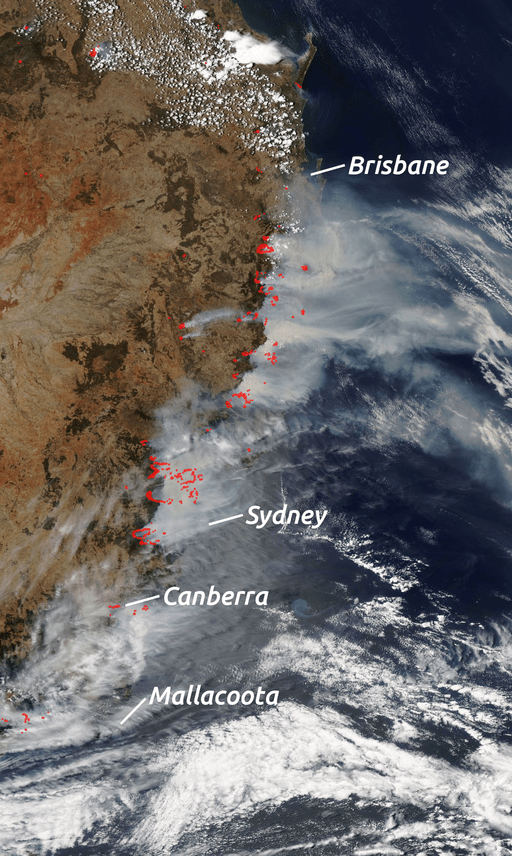
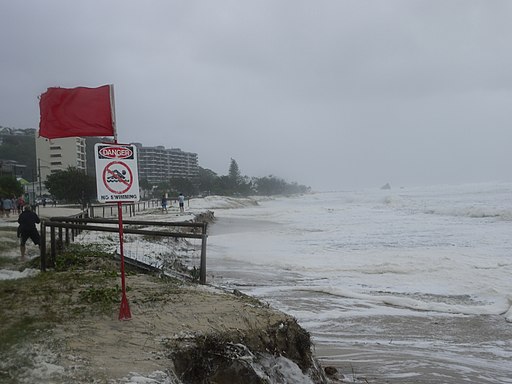
I wonder what surprise is waiting for me. What we can do is to live in a modern and well -equipped apartment close to the city center and a good quality supermarket. In my opinion if we live away from the city, naturally our infrastructure would be worse than the city. Therefore, we would be vulnerable to a natural disaster. In Australia, if we live near a forest our house could be burned down, and in the regional area we are get a directly impact from drought. In Australia, like those in Poland the people prefer to live close to the nature. If they live close to the sea, they could suffer from sinking of the ground, flood or high wave. As a matter of fact I lived in the city area of Australia for 18 years, and I’d never faced a natural disaster. If we live in a quality apartment away from the water, we should be free of such worries. We are now looking for a new apartment. I would like to live at a relatively high apartment and enjoy looking down the scenery.
It’s been two years and a few months since I arrived in Poland. There have been things that surprised me and that didn’t surprised me. I know the fact that Polish are loud and are do not as much consider as Japanese the feelings of their neighbors, and that car driver may not stop before the pedestrian crossing or not too often give ways to others. Those can be observed in Australia as well.
I experience the first surprising matters a few months after arriving in Poland. We were lack of the toilet paper on the distant trains and at some public toilets. So, now I make it a rule to take a box of tissue paper, and a wallet with soap and disinfectant when I go out. A box of tissue papers are useful even when visiting another country. At a hotel often we find toilet paper is not sufficiently supplied and late at night the reception may be closed.
And then the second special incident occurred last month. When got up in the morning we didn’t see water running well. After a while the water stopped. 😢 I was unhappy as the water stopped without any prior notice. The water didn’t run again after several hours. Finally the night came. Aijka said in our neighborhood we had had failure of water piping, and she found a large hole on the ground. As I am a Japanese and Japan is a country with a lot of rain fall we take water for granted. Many of us take a bath with plenty of warm water, relaxed, remove the fatigue and get refreshed. At the restaurants water and ice are free, and we are offered a hot wet towel to clean hands as well. At night we still didn’t have water. Although I bought bottles of water at the supermarket, we couldn’t stand without taking the shower, so we visited Aijka’s parents to take shower. On our way back we talk about what would be going on with the water. My prediction was we would not have water till the following day and we would need to prepare a household water tank from a water cart. Fortunately the water was running when we came back home.
I wonder what surprise is waiting for me. What we can do is to live in a modern and well -equipped apartment close to the city center and a good quality supermarket. In my opinion if we live away from the city, naturally our infrastructure would be worse than the city. Therefore, we would be vulnerable to a natural disaster. In Australia, if we live near a forest our house could be burned down, and in the regional area we are get a directly impact from drought. In Australia, like those in Poland the people prefer to live close to the nature. If they live close to the sea, they could suffer from sinking of the ground, flood or high wave. As a matter of fact I lived in the city area of Australia for 18 years, and I’d never faced a natural disaster. If we live in a quality apartment away from the water, we should be free of such worries. We are now looking for a new apartment. I would like to live at a relatively high apartment and enjoy looking down the scenery.
a closed beach in Australia (Wikipedia)
Minęły dwa lata i kilka miesięcy, odkąd przybyłem do Polski. Były rzeczy, które mnie zaskoczyły i które mnie nie zaskoczyły. Wiem, że Polacy są głośni i nie biorą pod uwagę uczuć swoich sąsiadów tak bardzo jak Japończycy, a kierowca samochodu może nie zatrzymać się przed przejściem dla pieszych lub często nie ustępować innym. Można to zaobserwować również w Australii. Pierwsze zaskakujące doświadczenia miałem kilka miesięcy po przyjeździe do Polski. Brakowało nam papieru toaletowego w dalekobieżnych pociągach i niektórych publicznych toaletach. Dlatego teraz wychodzę z reguły, że biorę ze sobą pudełko chusteczek i saszetkę z mydłem i środkiem dezynfekującym. Pudełko chusteczek jest przydatne nawet podczas wizyty w innym kraju. W hotelu często okazuje się, że nie ma wystarczająco papieru toaletowego, a późną nocą recepcja może być zamknięta.
Drugi specjalny incydent miał miejsce w zeszłym miesiącu. Kiedy wstaliśmy rano, zauważyliśmy słabe ciśnienie wody. Po chwili woda przestała lecieć w ogóle. 😢. Byłem niezadowolony, ponieważ wyłączyli nam wodę bez wcześniejszego powiadomienia. Woda nie płynęła przez kilka godzin. Wreszcie nadeszła noc. Aijka powiedziała, że w naszym sąsiedztwie mieliśmy awarię wodociągu i że zobaczyła dużą, wykopana dziurę w ziemi. Ponieważ jestem Japończykiem, a Japonia jest krajem z dużą ilością opadów deszczu. bierzemy wodę za pewnik. Wielu z nas kąpie się w dużej ilości ciepłej wody, odpręża, usuwa zmęczenie i odświeża. W restauracjach woda i lód są bezpłatne, a gościom oferuje się gorący mokry ręcznik do oczyszczenia rąk. W nocy nadal nie mieliśmy wody. Chociaż kupiłem butelki wody w supermarkecie, nie mogliśmy pójść spać bez prysznica, więc odwiedziliśmy rodzice Aijki, aby wziąć prysznic. W drodze powrotnej rozmawiamy o tym, co się będzie działo z wodą jak wrócimy. Moje przewidywanie było takie, że nie będziemy mieli wody do następnego dnia i będziemy musieli przygotować domowy zbiornik na wodę z beczkowozu. Na szczęście woda płynęła, kiedy wróciliśmy do domu.
Zastanawiam się, jaka czeka mnie następna niespodzianka. Co możemy zrobić, to mieszkać w nowoczesnym i dobrze wyposażonym mieszkaniu blisko centrum miasta i supermarketu dobrej jakości. Moim zdaniem, jeśli mieszkamy z dala od miasta, naturalnie nasza infrastruktura jest gorsza niż w mieście. Dlatego jesteśmy narażeni na klęskę żywiołową. W Australii, jeśli mieszkamy w pobliżu lasu, nasz dom może zostać spalony, a na obszarze pozamiejskim bezpośrednio odczuwamy suszę. W Australii, podobnie jak w Polsce, ludzie wolą żyć blisko natury. Jeśli mieszkają blisko morza, mogą cierpieć z powodu tąpnięcia ziemi, powodzi lub wysokiej fali. W rzeczywistości mieszkałem w Australii przez 18 lat i nigdy nie spotkałem się z klęską żywiołową. Jeśli mieszkamy w wysokiej jakości mieszkaniu z dala od wody, powinniśmy być wolni od takich zmartwień. Teraz szukamy nowego mieszkania. Chciałbym mieszkać w stosunkowo wysoko znajdującym się mieszkaniu i cieszyć się widokiem na scenerię miasta.
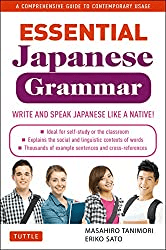
If you are learning Japanese you may not feel nowadays the need to take a paid language course or purchase a book thanks to free app and similar services.
I also learn Polish online for free, but I do feel the need to read a grammar book or take a paid course to learn a language systematically. For example of you talk about past, present and future events, without grammatical rules you may not be able to express yourself.
Here I would like to recommend a book to learn Japanese grammar and a course with free trial. Please find them out by clicking the image below:
Jeśli uczysz się japońskiego, w dzisiejszych czasach możesz nie odczuwać potrzeby podjęcia płatnego kursu językowego lub zakupu książki dzięki bezpłatnej aplikacji i podobnym usługom.
Uczę się również polskiego online za darmo, ale czuję potrzebę czytania książki gramatycznej lub uczestnictwa w płatnym kursie, aby systematycznie uczyć się języka. Na przykład mówisz o przeszłych, obecnych i przyszłych wydarzeniach, bez reguł gramatycznych możesz nie być w stanie wyrazić siebie.
Tutaj chciałbym polecić książkę do nauki gramatyki japońskiej i kurs z bezpłatnym okresem próbnym. Znajdź je, klikając obraz poniżej:
Some of the readers of this blog may be interested in Japanese cuisines or would like to cook them. For those people I would like to recommend the following books:
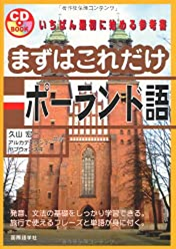
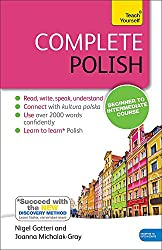
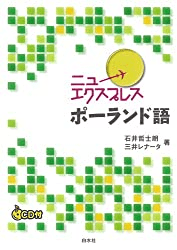
ポーランド語を学習されたい方がいましたら、こちらです。Here are books for you if you would like to learn Polish
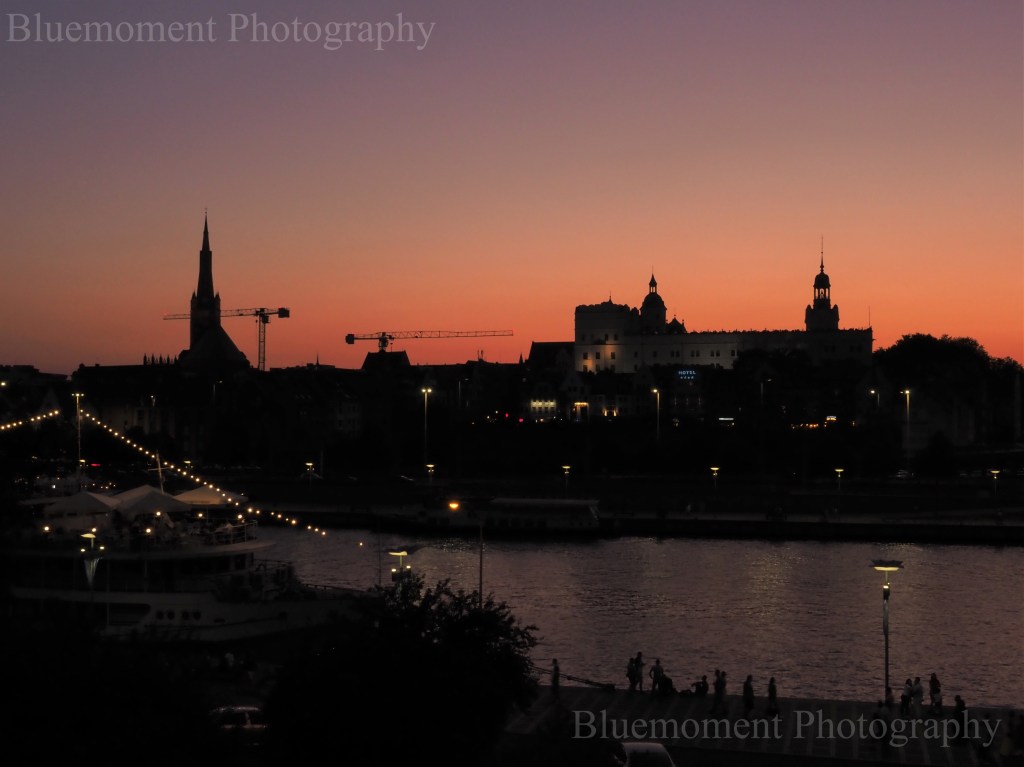
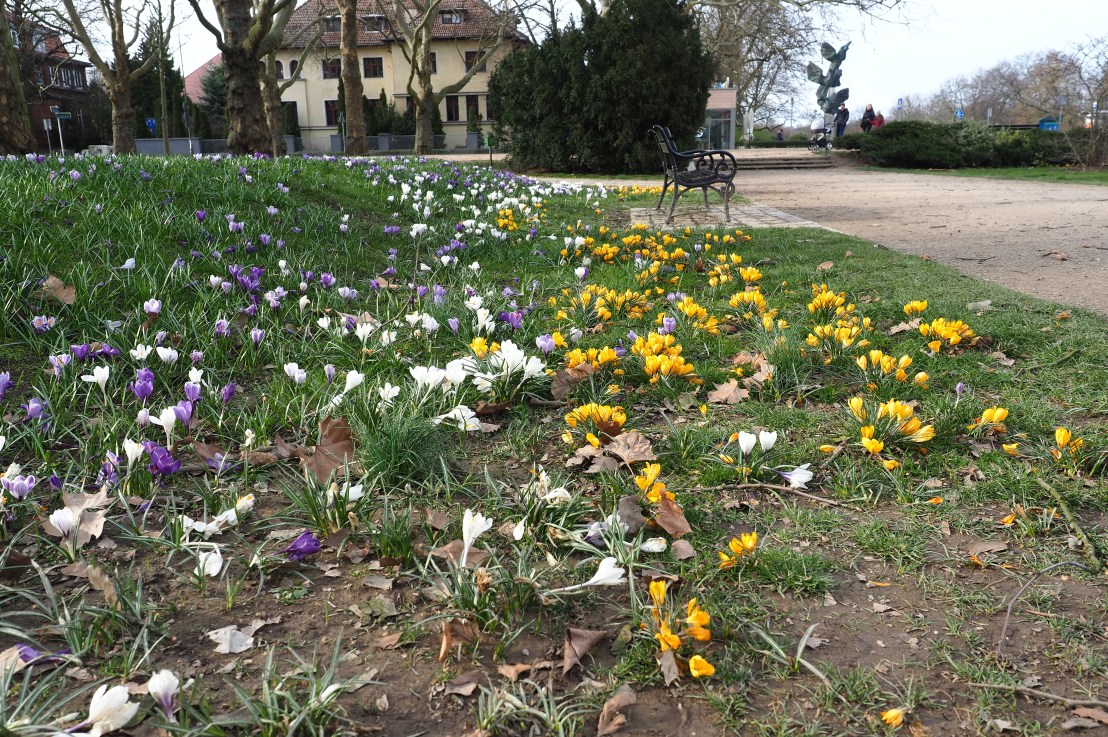
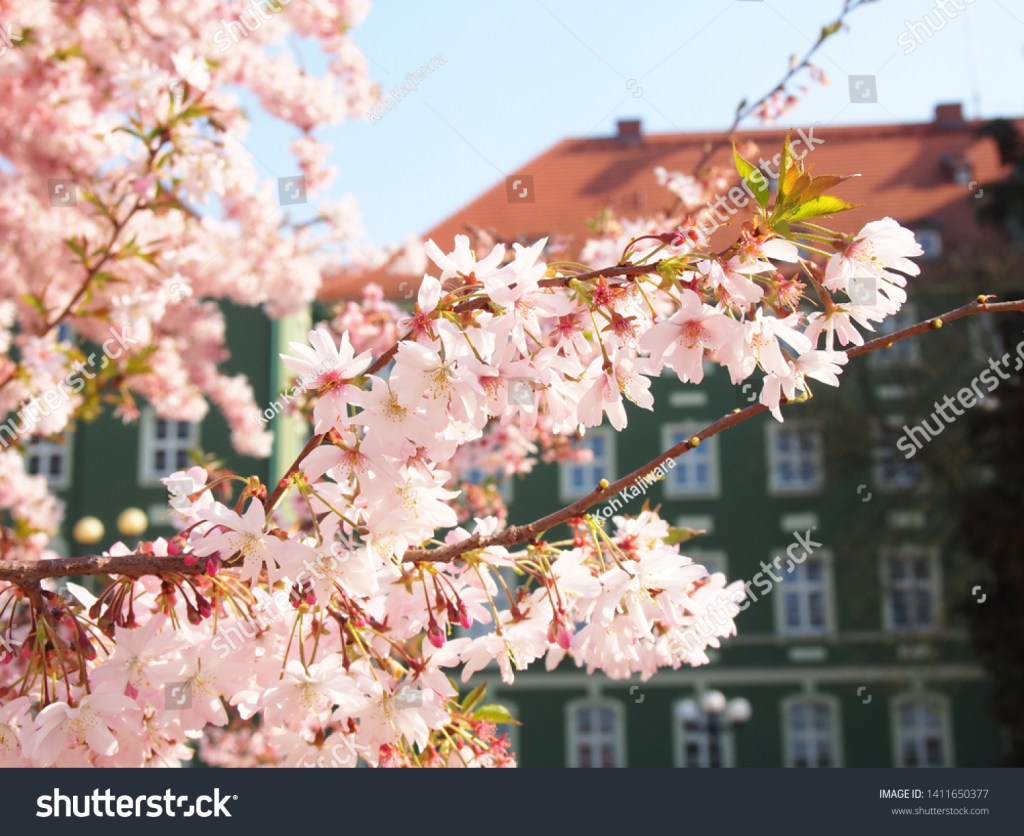
P.S. I take photos for both my stockphotos collection and my own collection. Today I would like to invite you to my stockphotos collections. Should you are interested to see my photos please click the photo below: ストックフォトと自身のコレクションのために写真を撮っています。ご興味のある方は、下の写真をクリックしてください。 Robię zdjęcia zarówno dla Stockphoto jak i do mojej własnej kolekcji. Dzisiaj chciałbym zaprosić Was do mojej kolekcji na Stockphoto. Jeśli jesteście zainteresowani, kliknijcie w zdjęcie poniżej.






 Japanese Man in Poland - following the inner voice ポーランドの日本人 心の声を追って Japończyk w Polsce - podążając za wewnętrznym głosem