Midsummer is the time I become aware of since I arrive in Europe.
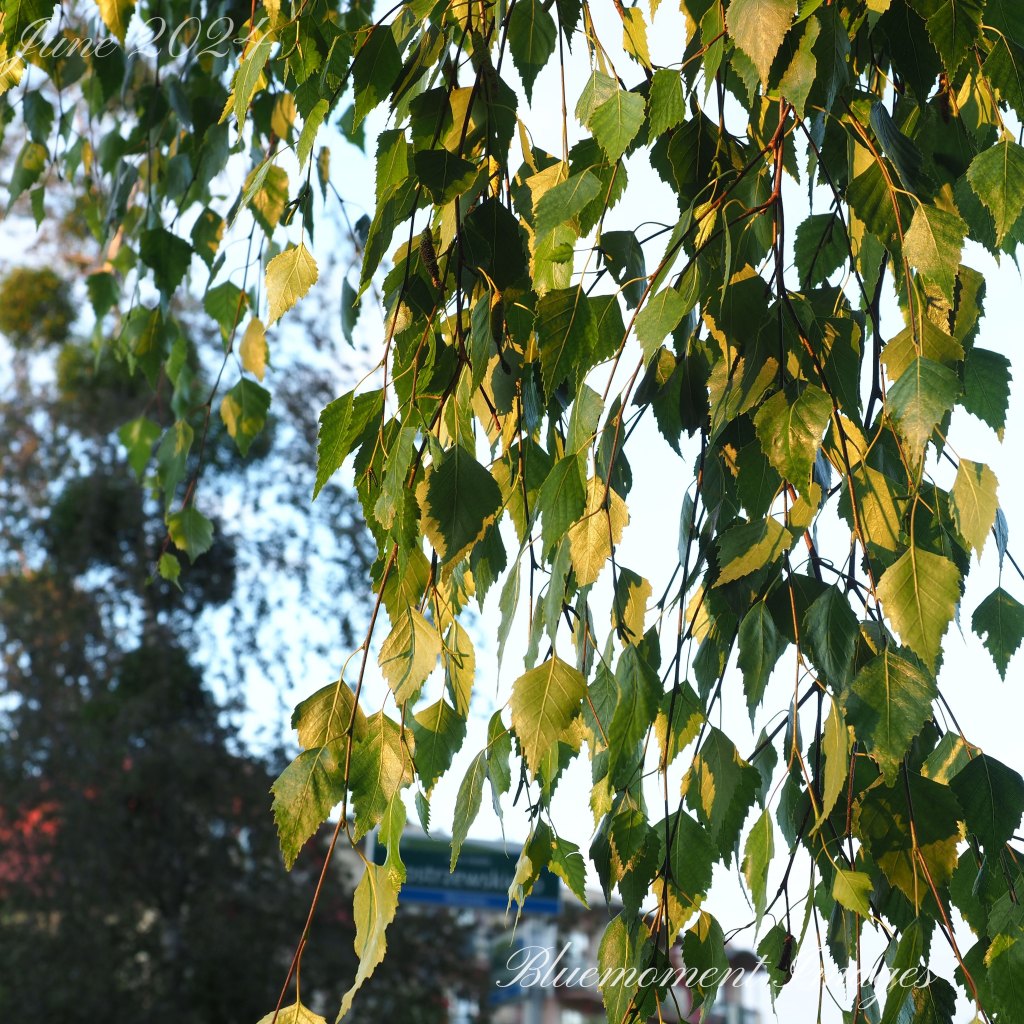
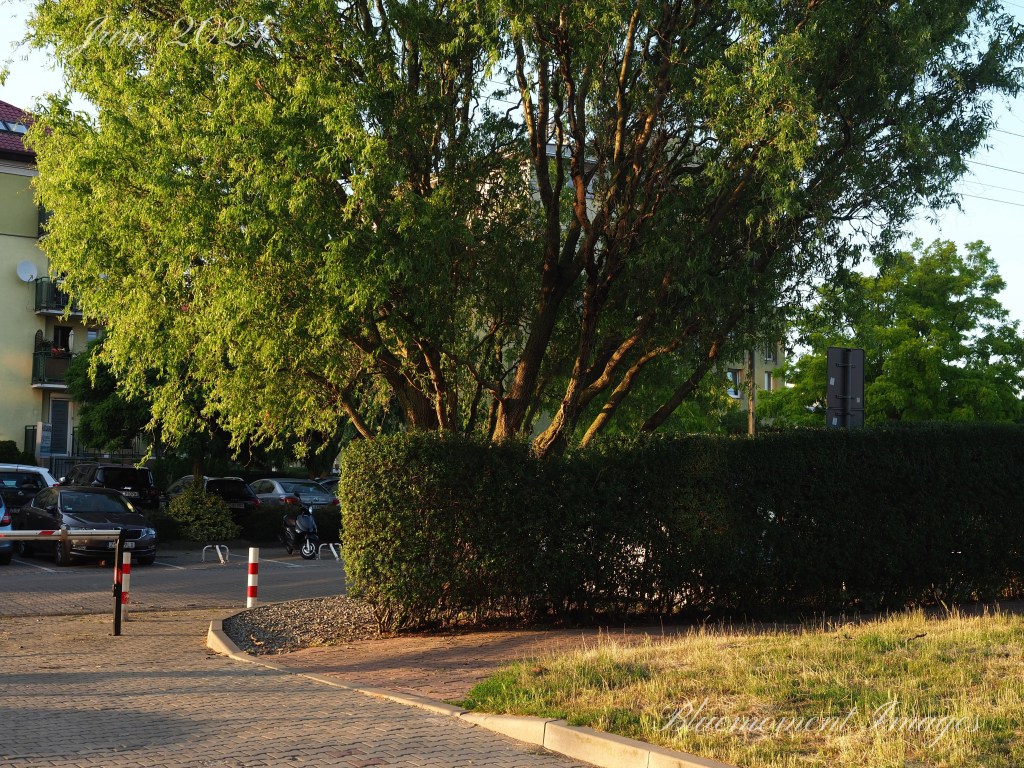
Midsummer in Japan often overlaps the rainy season, so it may not be a good season as it obviously rains a lot and humid. At least we do not feel that summer has arrived. When I was in Australia because of the too strong sunshine I stayed at home. However now midsummer is to me the best season here in Poland. And probably many people feel the same. The daytime is long. It is nice to see the rays of sun shines in gold at even 9pm. My definition of summer has changed. Now I feel it summer between mid-June and July. Also, here in Europe we don’t have hot and humid air, tropical night or the buzz of cicadas. Now, summer has become my favourite season. The temperature of hot days is usually 30 degree or a bit higher. At night the temperature goes down to 15 or 9 degree.
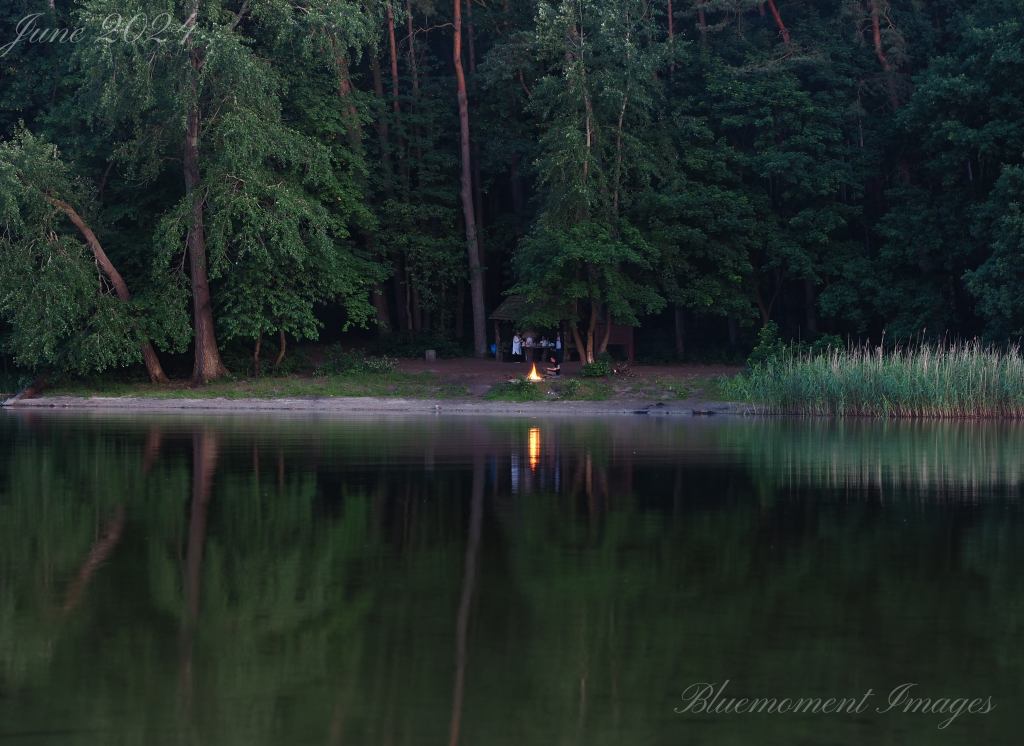
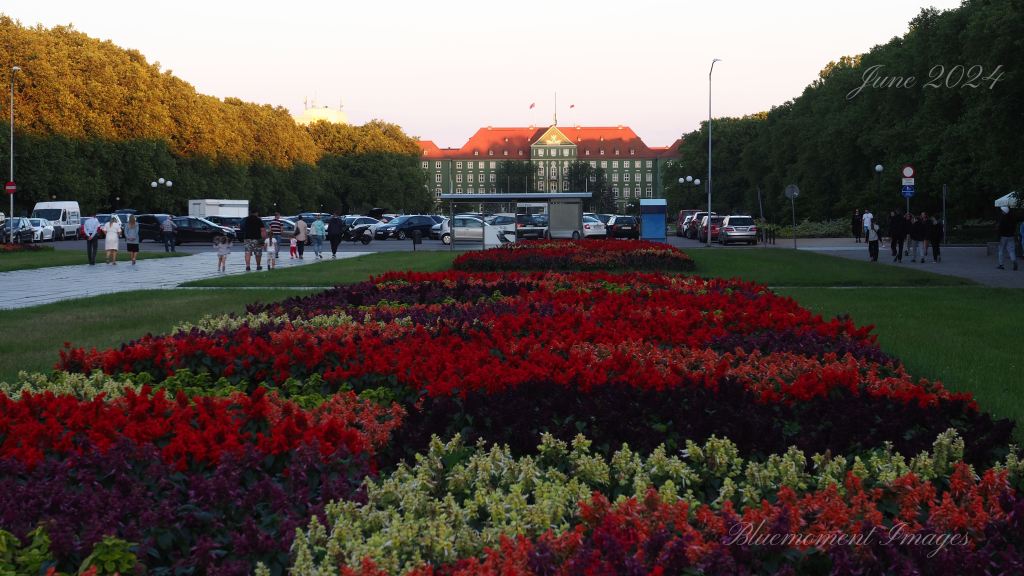
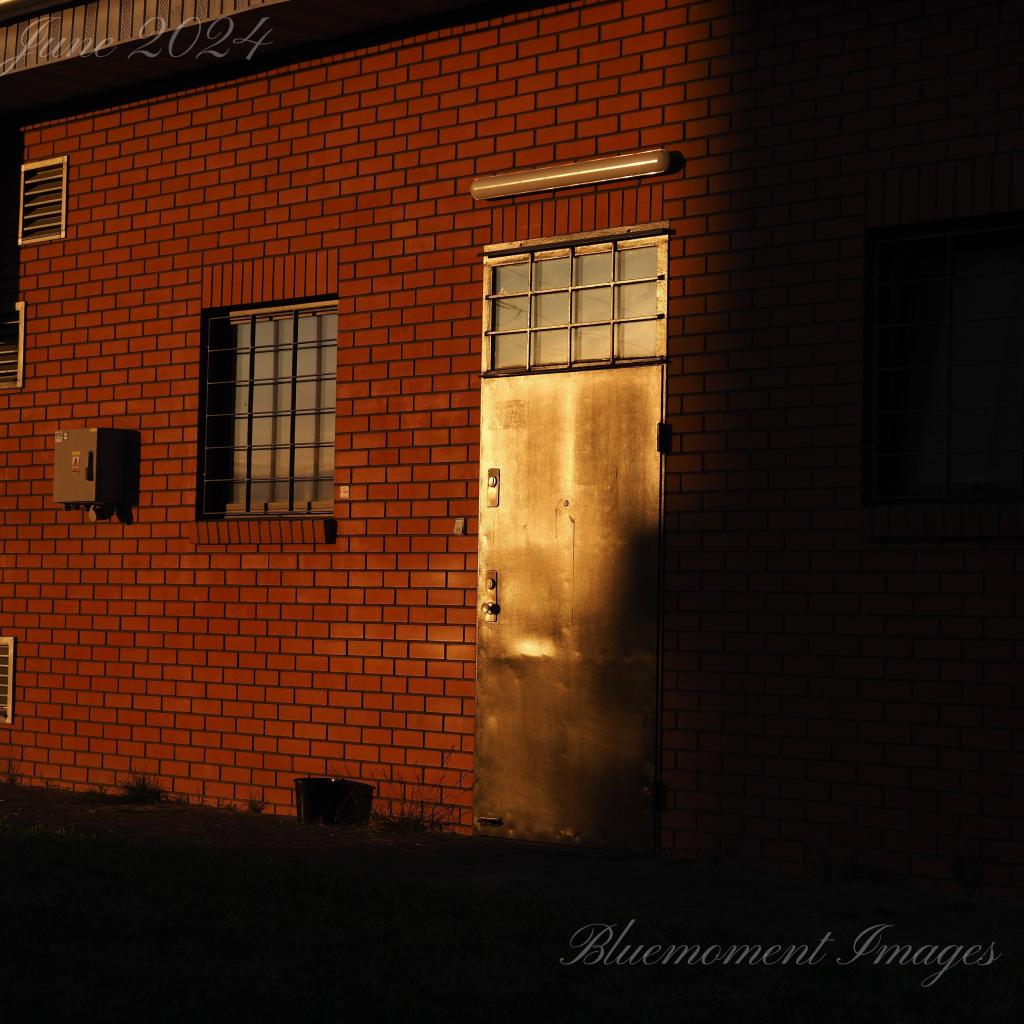
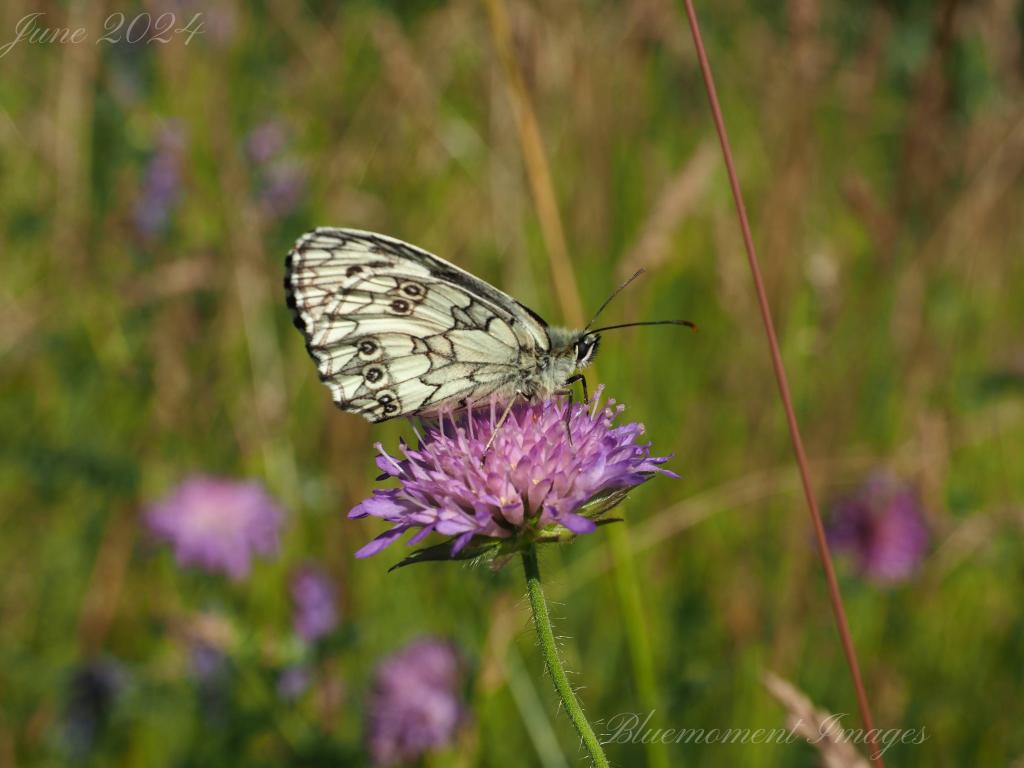
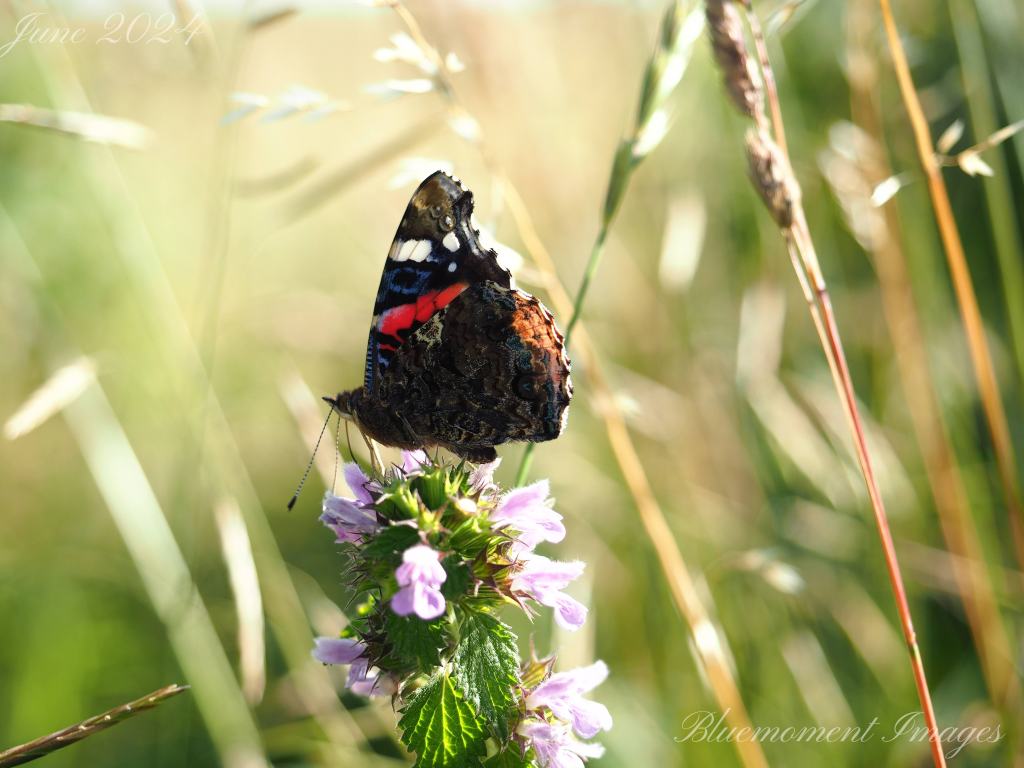
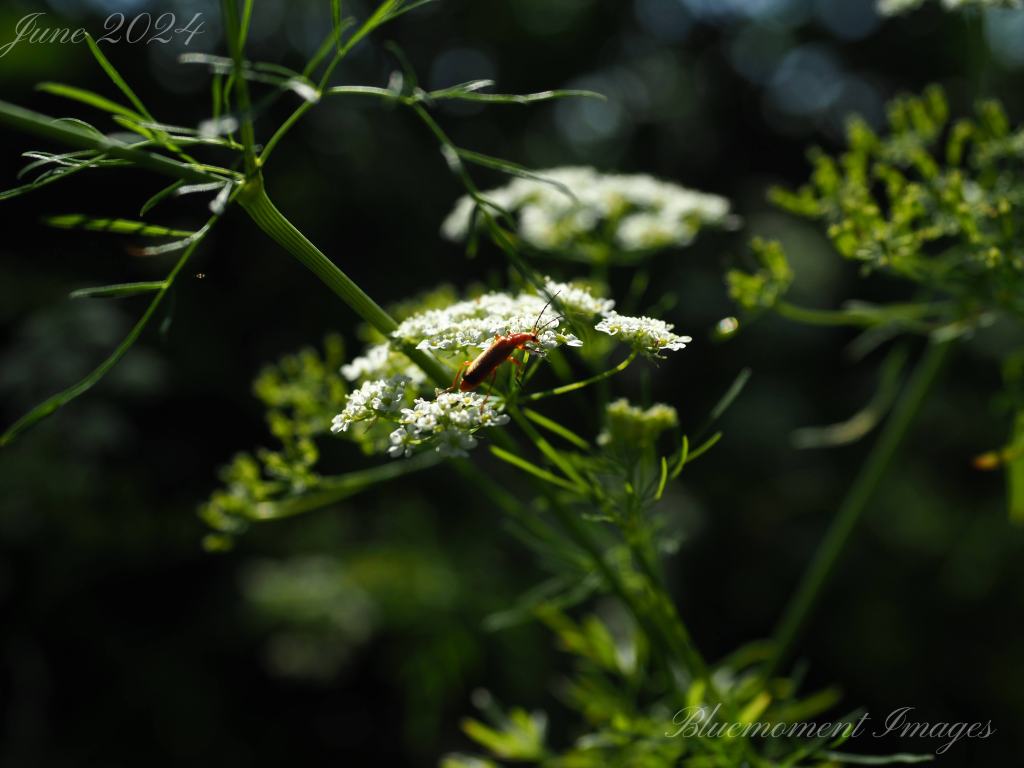
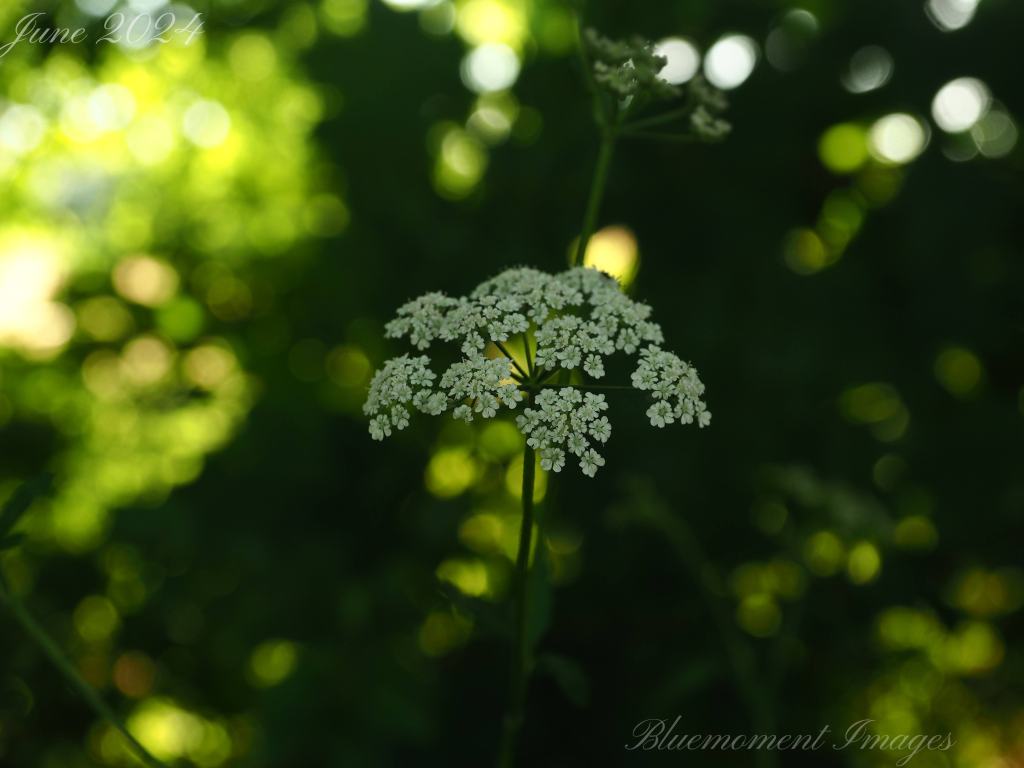
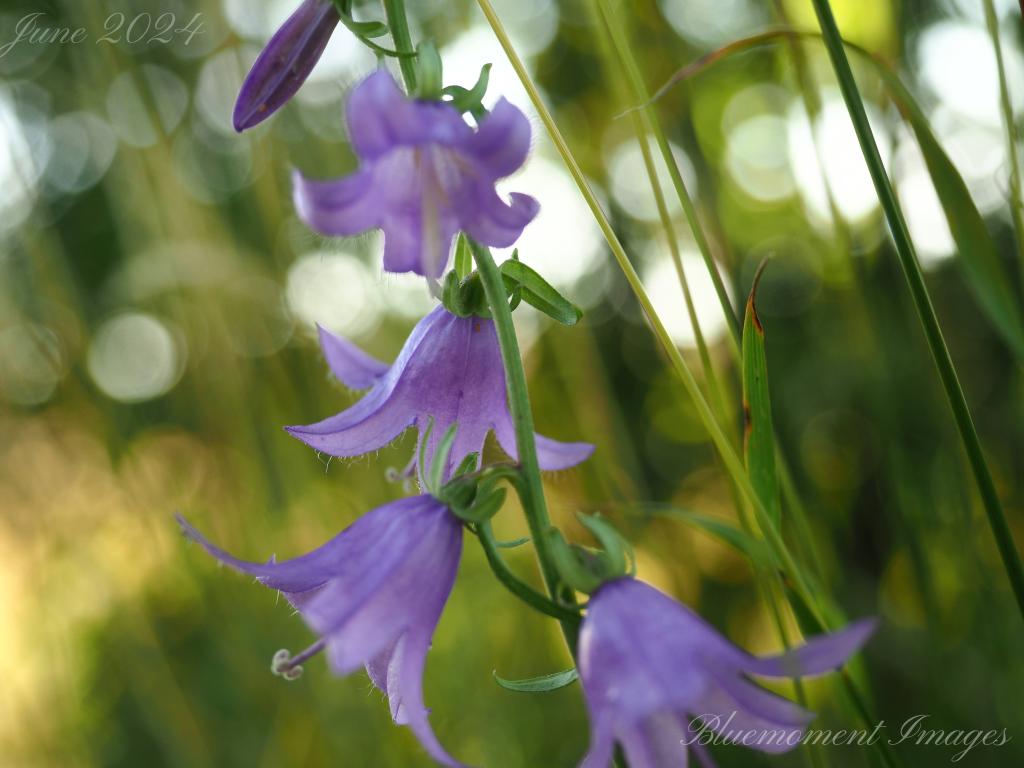
Midsummer passed in the brink but hope you have a look at the collection of the scenery I saw during that time.
Środek lata to czas, którego jestem świadomy, odkąd przybyłem do Europy.
Środek lata w Japonii często pokrywa się z porą deszczową, więc może to nie być dobry sezon, ponieważ oczywiście dużo pada i jest wilgotno. Przynajmniej nie czujemy, że nadeszło lato. Kiedy byłem w Australii, z powodu zbyt silnego słońca zostałem w domu. Jednak teraz środek lata jest dla mnie najlepszą porą roku w Polsce. I prawdopodobnie wiele osób czuje to samo. Dzień jest długi. Miło jest widzieć promienie słońca świecące na złoto nawet o 21:00. Moja definicja lata się zmieniła. Teraz czuję lato między połową czerwca a lipcem. Ponadto, tutaj w Europie nie mamy gorącego i wilgotnego powietrza, tropikalnej nocy czy brzęczenia cykad. Teraz lato stało się moją ulubioną porą roku. Temperatura w upalne dni wynosi zazwyczaj 30 stopni lub nieco więcej. W nocy temperatura spada do 15 lub 9 stopni.
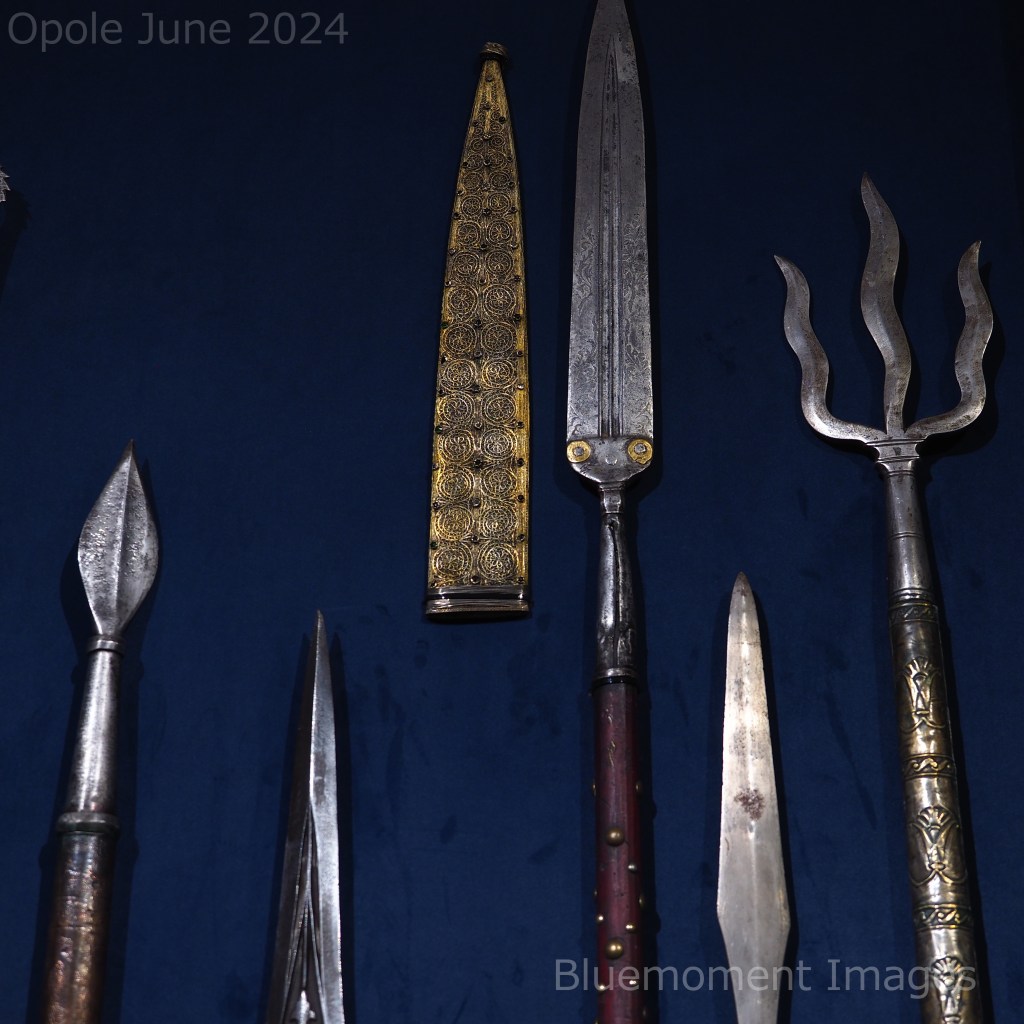
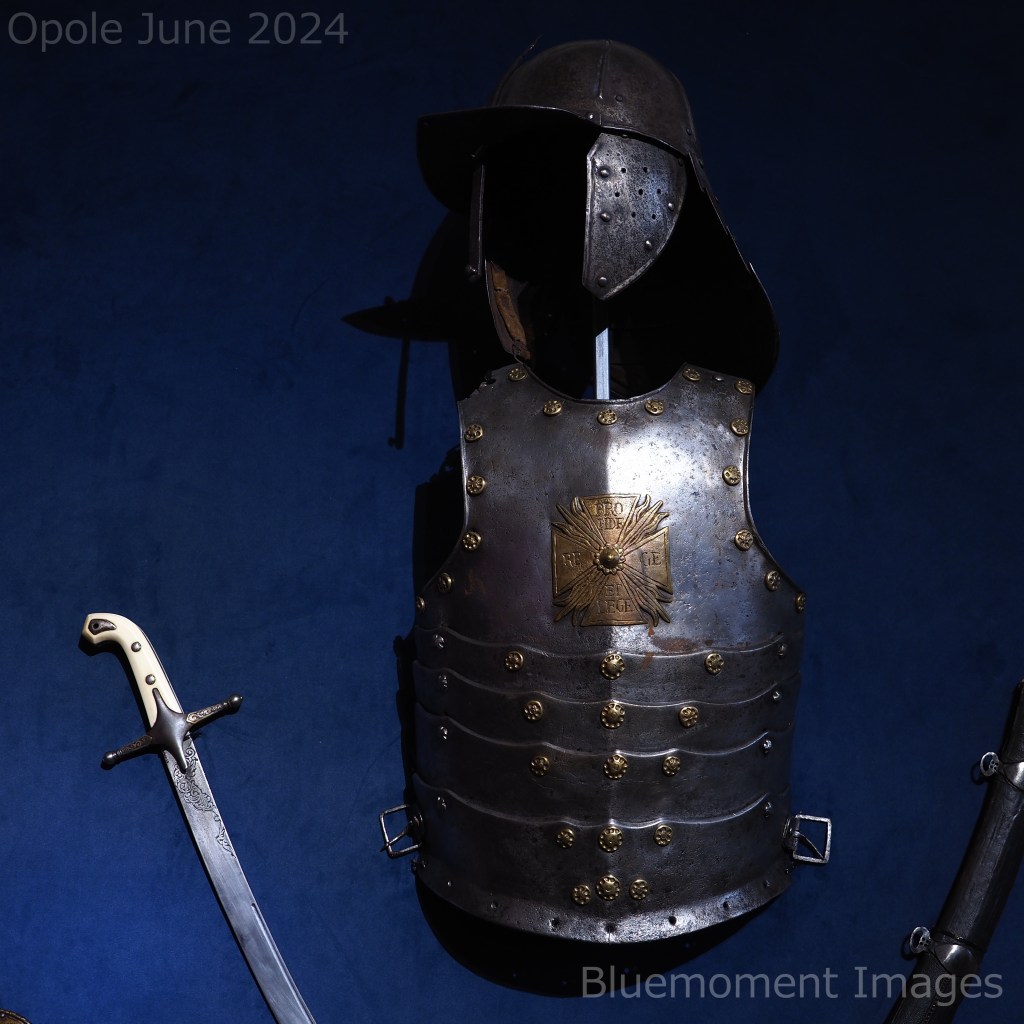
2日目で印象に残ったのは歴史博物館(Museum of Opole Silesia)でした。冒頭で「5世紀に居住者がいた」と書いたとおり、歴史、人々の生活、文化、美術、装飾など内容豊富な博物館でした。私は特に地形と考古学のセクションに興味を持ちました。私にとっては、遠い過去や土地柄に思いをはせるのは旅行の醍醐味の一つです。
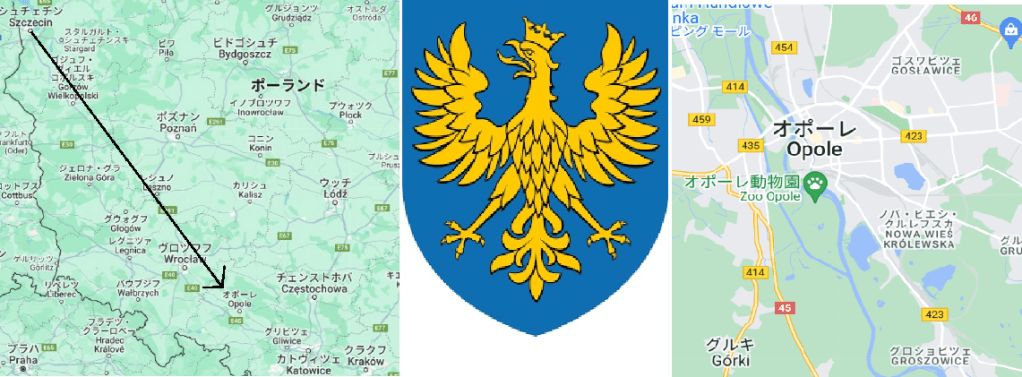
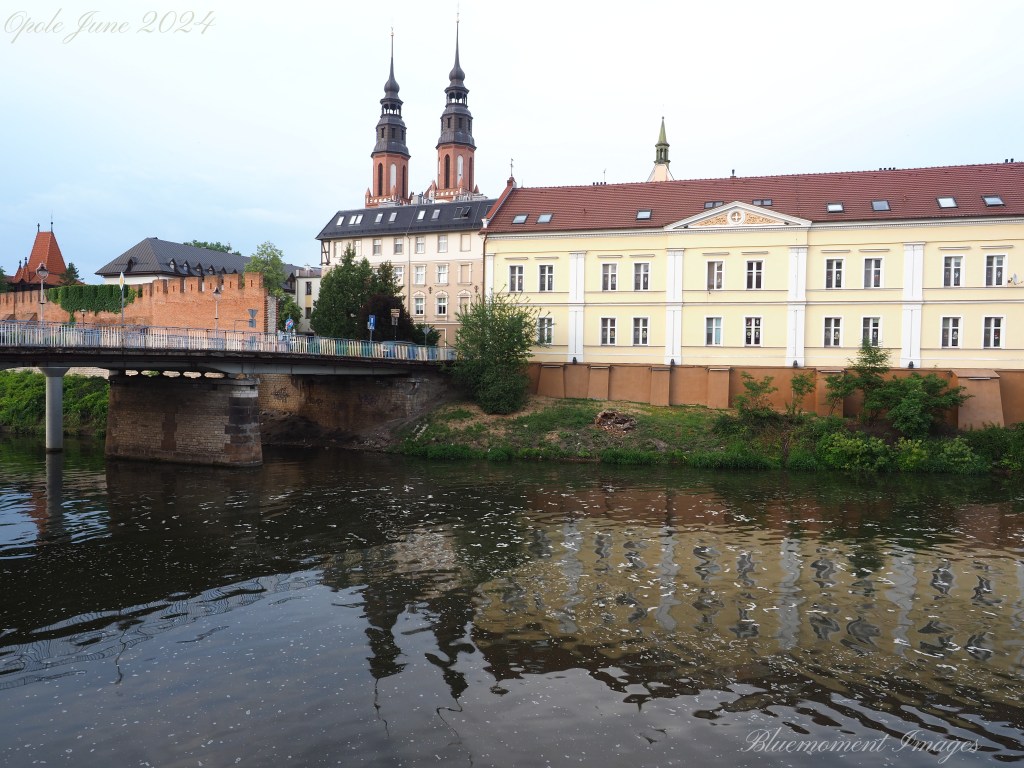
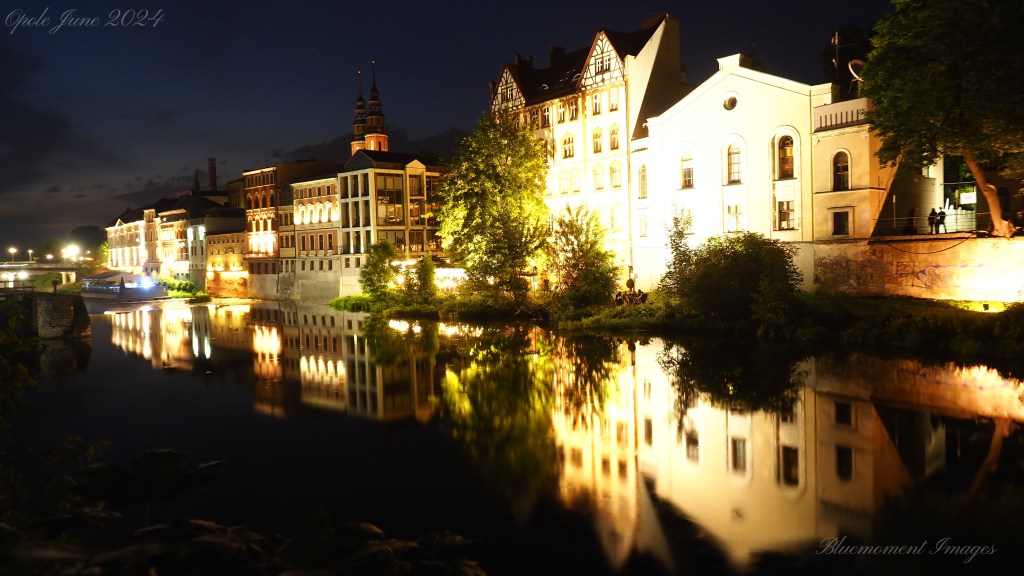
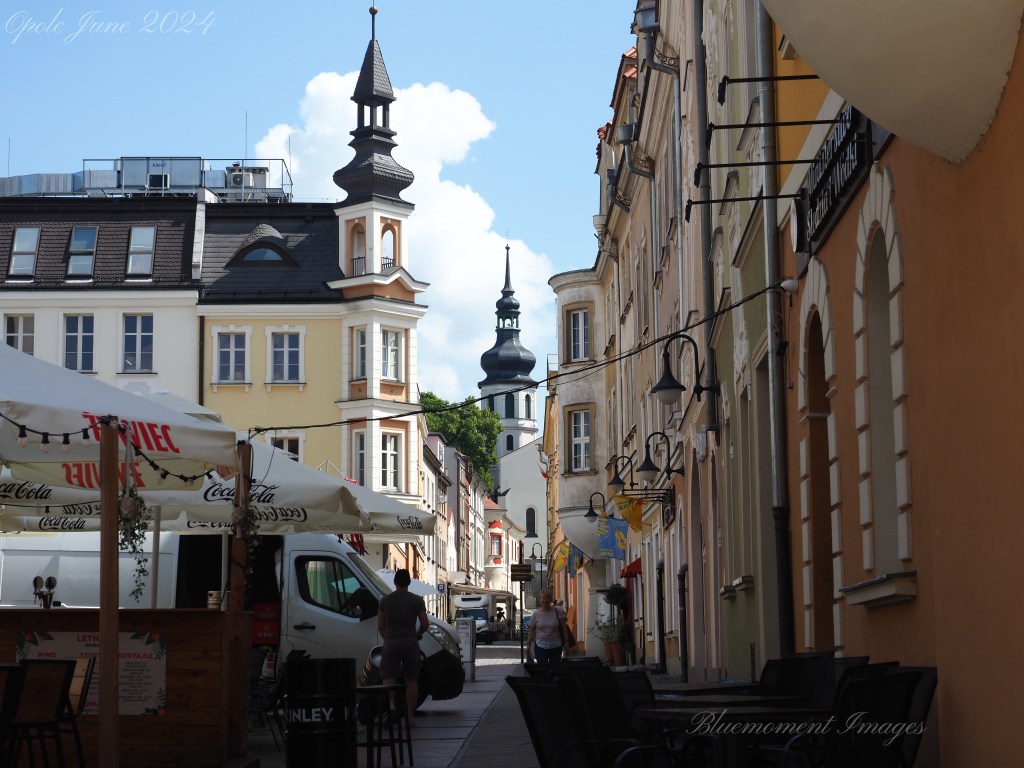
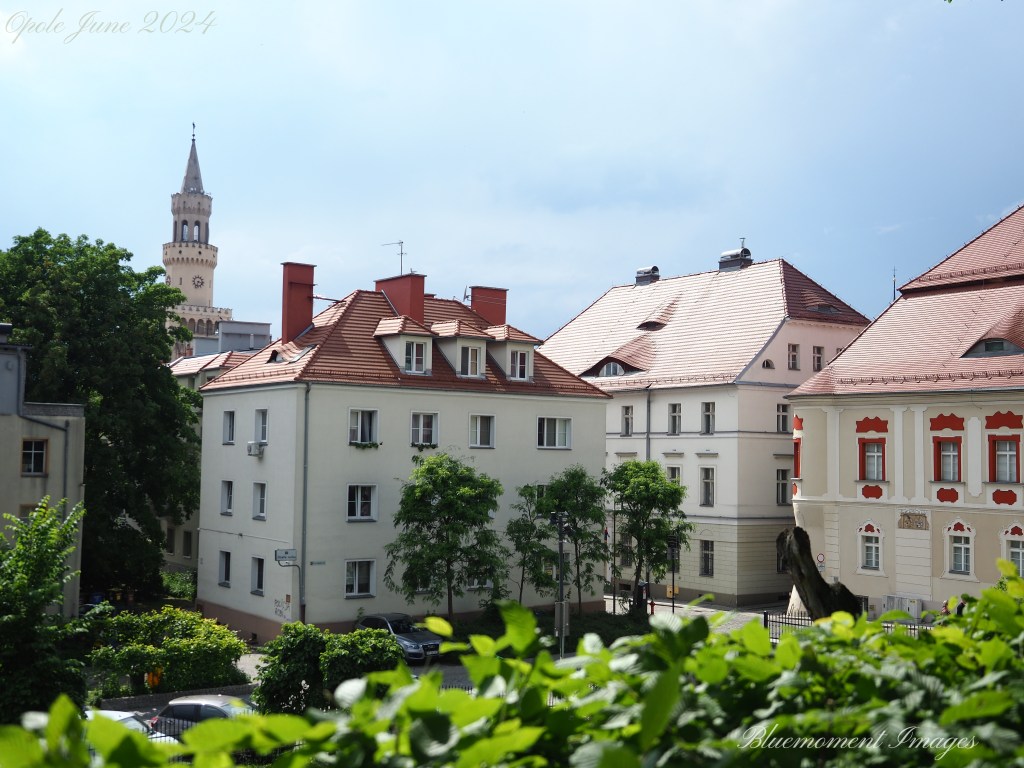
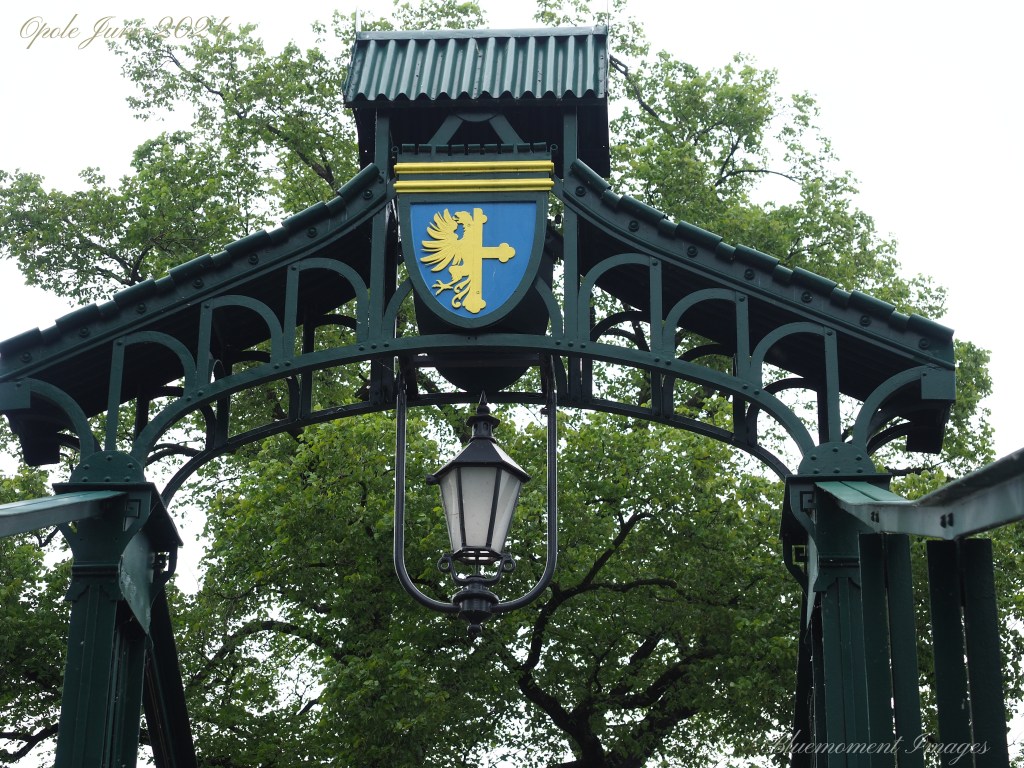
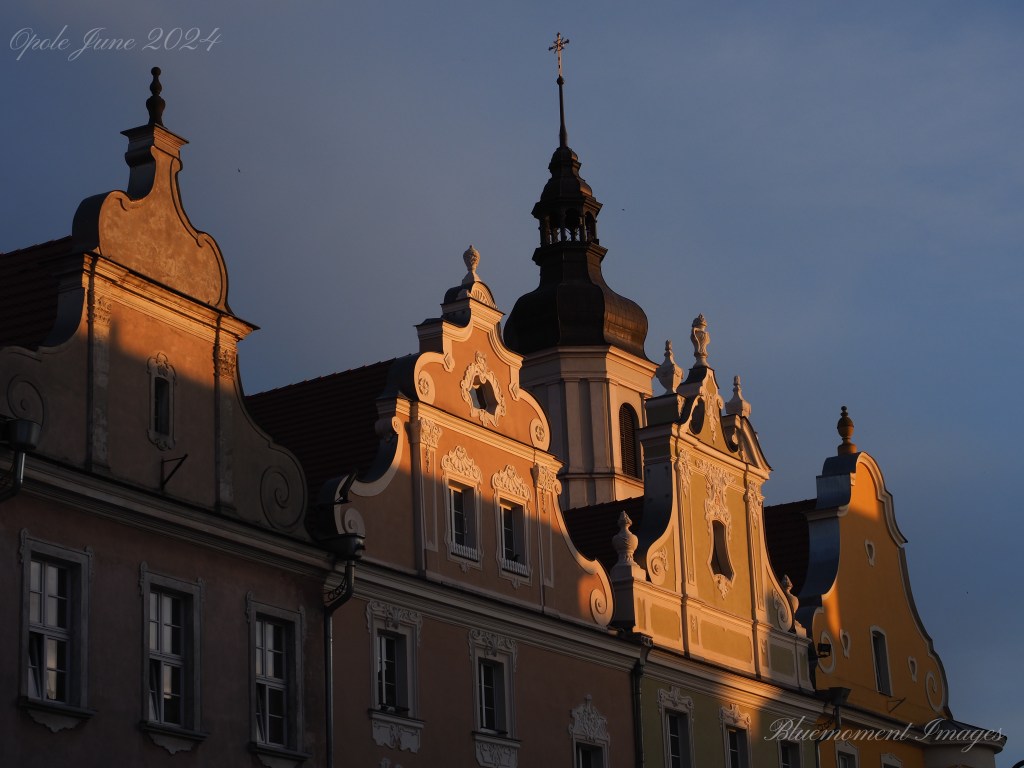
On the first week of June from the Thursday to the weekend, we visited a South Western Polish city, Opole. Opole is located 430km South East from Szczecin. We took a trip to celebrate the birthday of Ajka. Opole is a historical city where there were already residents in the 5th century. Like many other Polish cities, they lost a large part of the city during the war. The city has been largely refurbished. The town hall is a rectangular and flat concrete structure. But at the same time we saw the city takes over the past and its atmosphere. One of the main elements of this city seems to be the water such as Oder River and the canal coming from that. We often saw restaurants and café by the water. There were fountains and flows of the water as well as the illumination them.
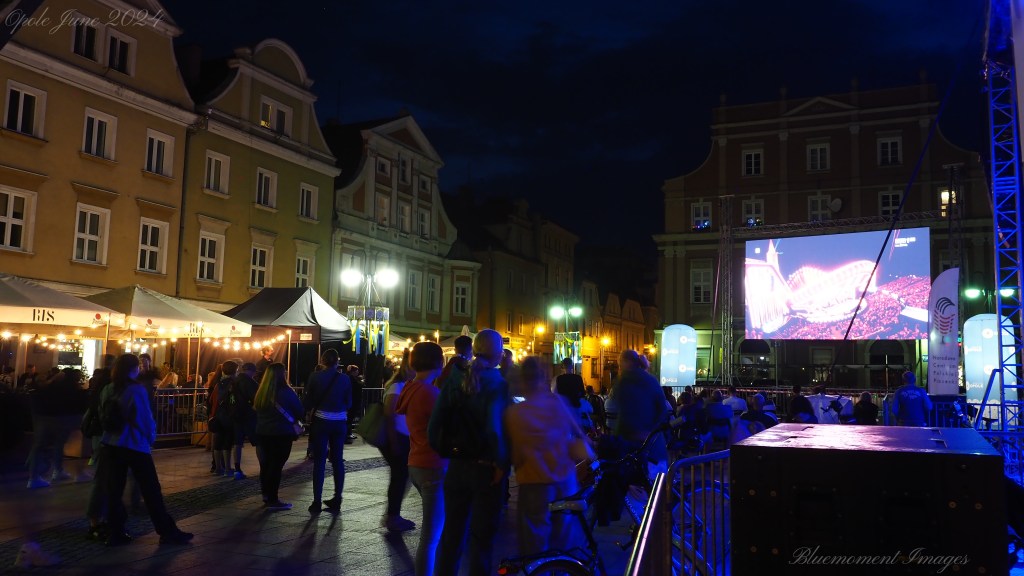
Also, the time of our visit coincided with the music festival, so after the sightseeing, we were able to watch it at the public viewing in the town square.
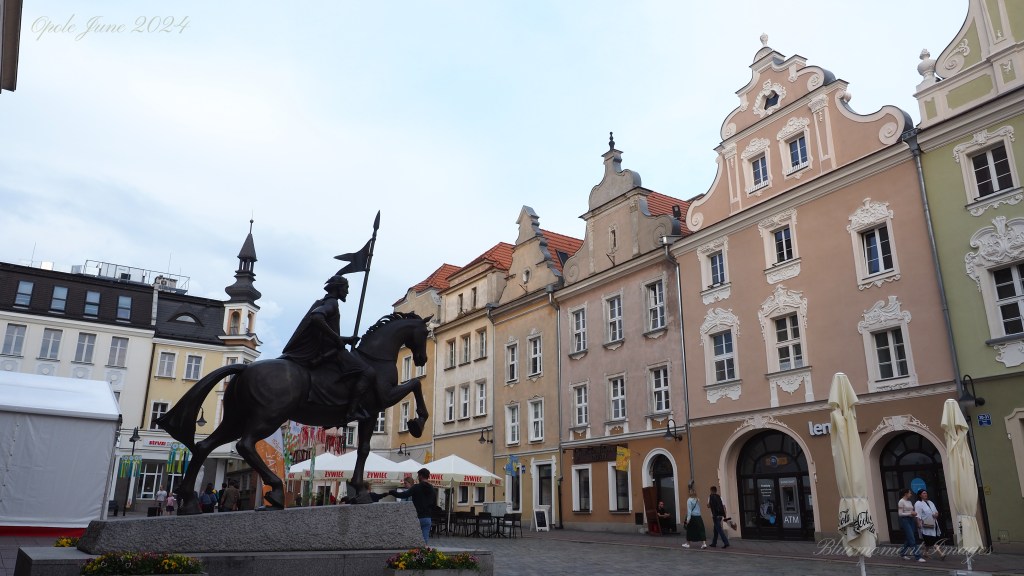
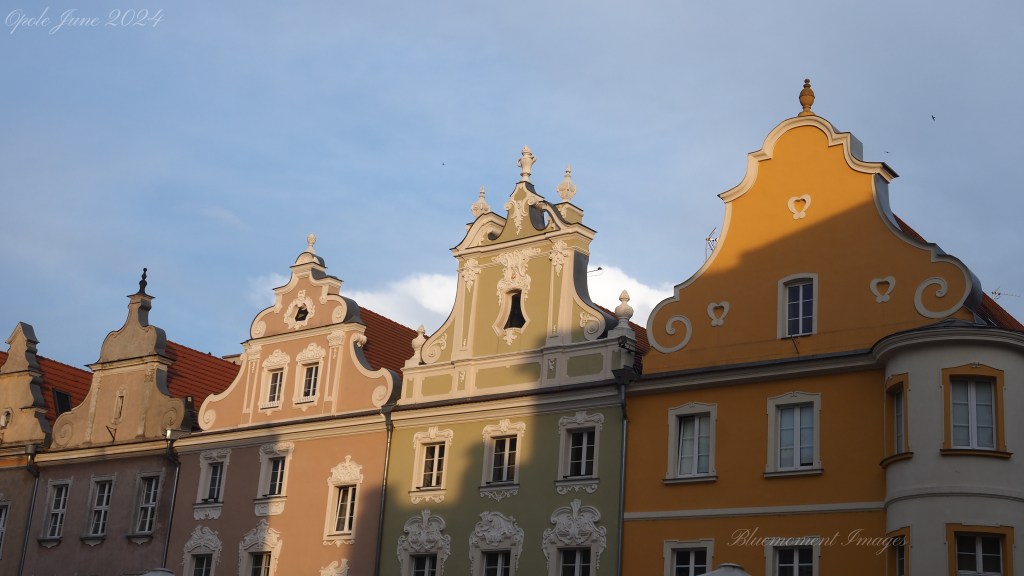
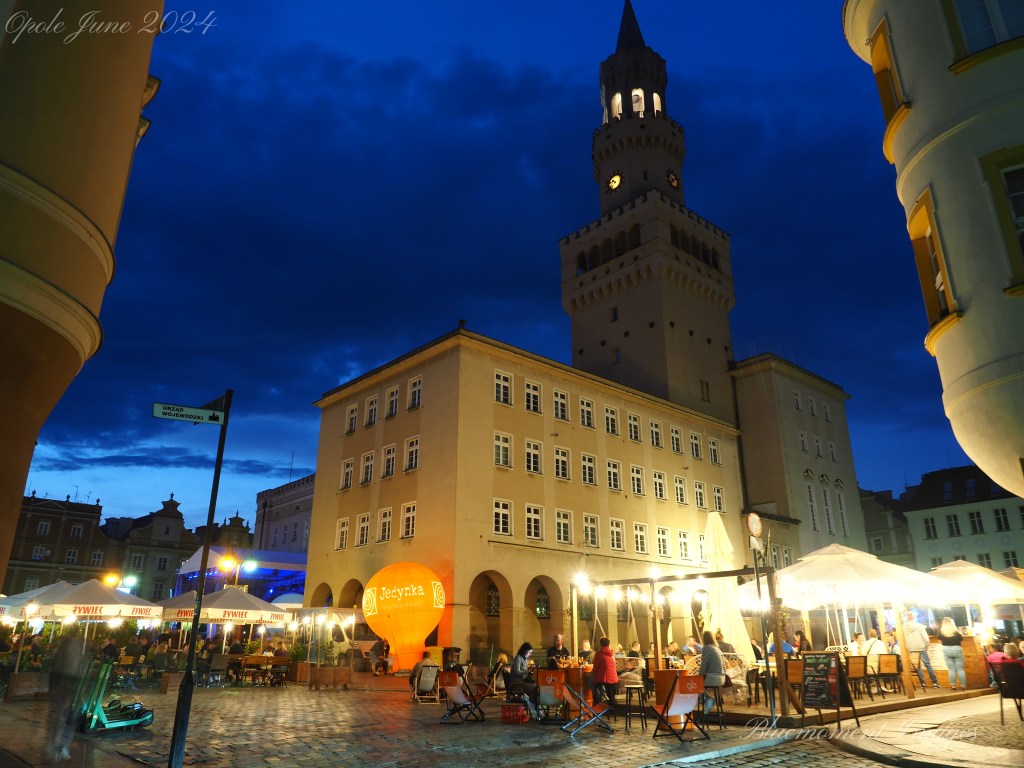
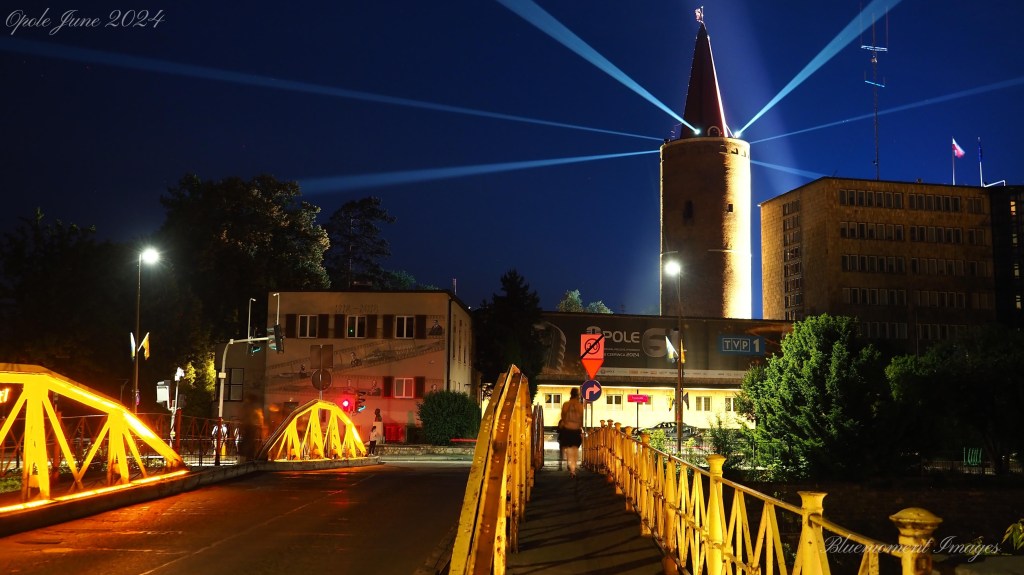
The historic defensive tower (Piast Tower) was unfortunately closed due to the fact that the equipment for the music festival were installed, but instead we could see the tower was wonderfully and unrealistically lit up at night. The night scene of the central market square was worth seeing. In the sky of Europe some of the daylight is left at this time of the year. And the colors of the sky, such as pale blue, cobalt blue, and dark blue, as well as the lights of the square created a wonderful atmosphere.
The highlight on the second day was Museum of Opole Silesia. As I mentioned at the beginning of this episode, ” there were already residents in the 5th century,” the museum was rich in contents such as history, people’s lives, culture, art, and decoration. I was particularly interested in the sections on topography and archaeology. To me it is one of the best parts of traveling to think about the distant past and the character of the region.
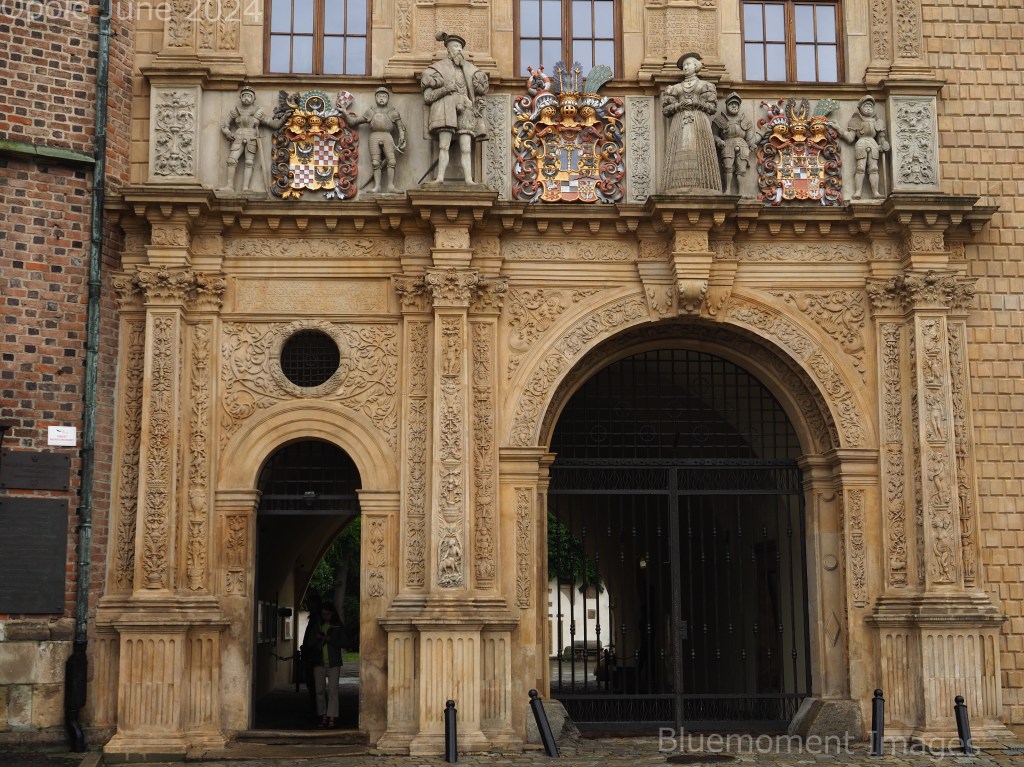
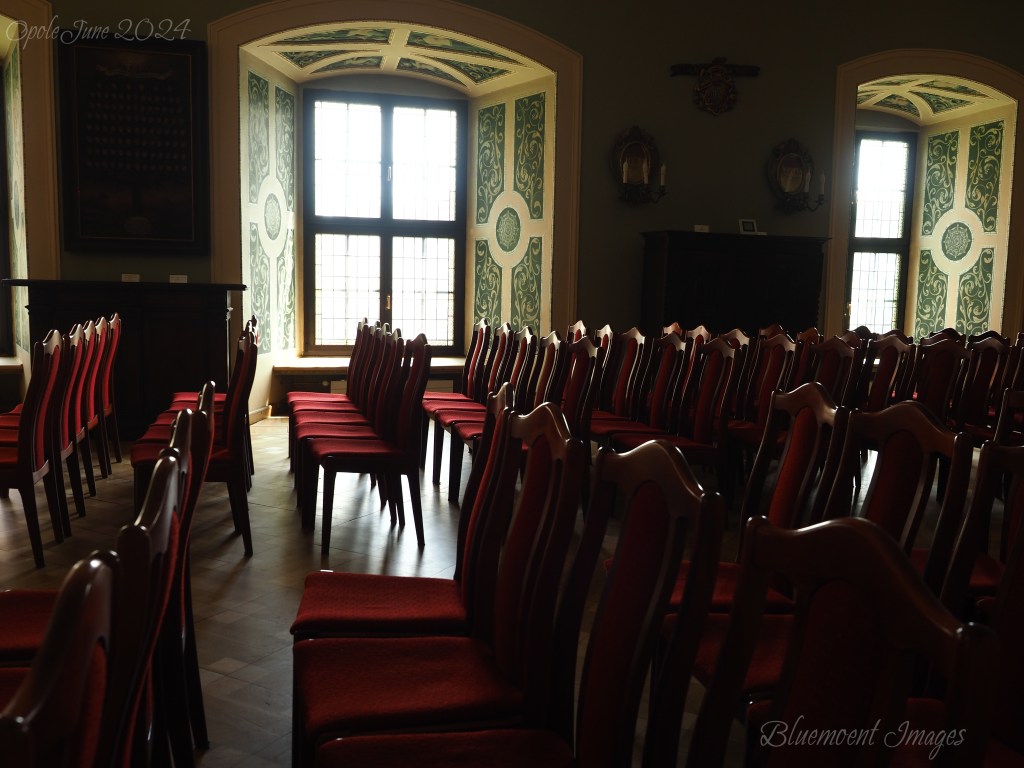
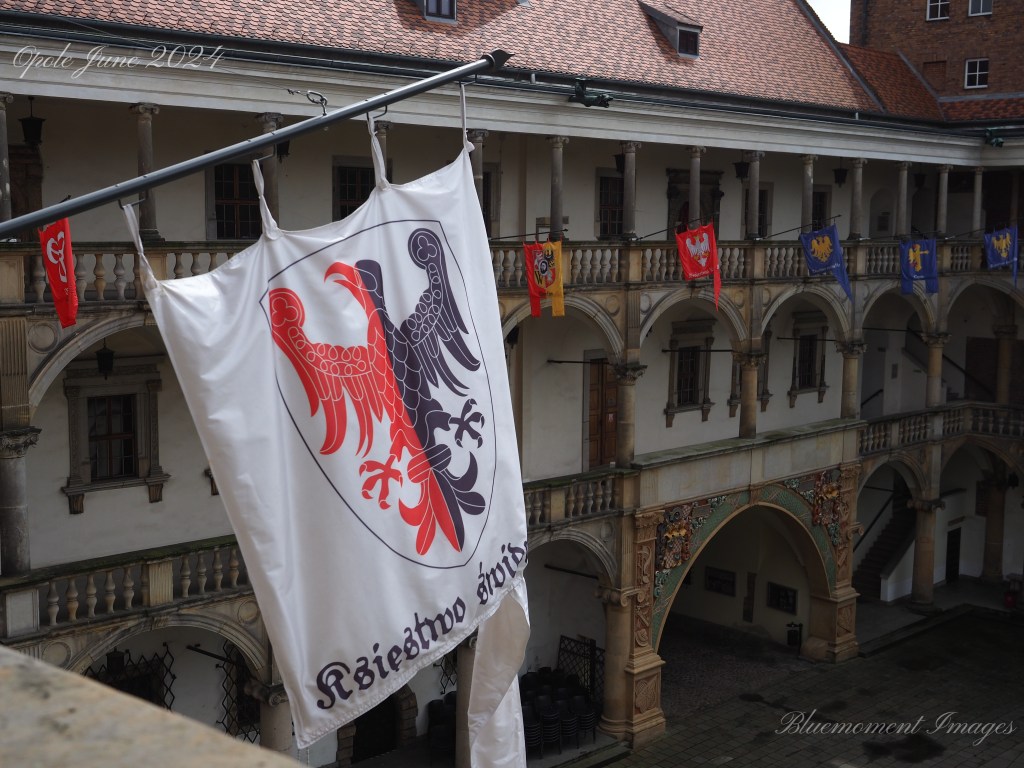
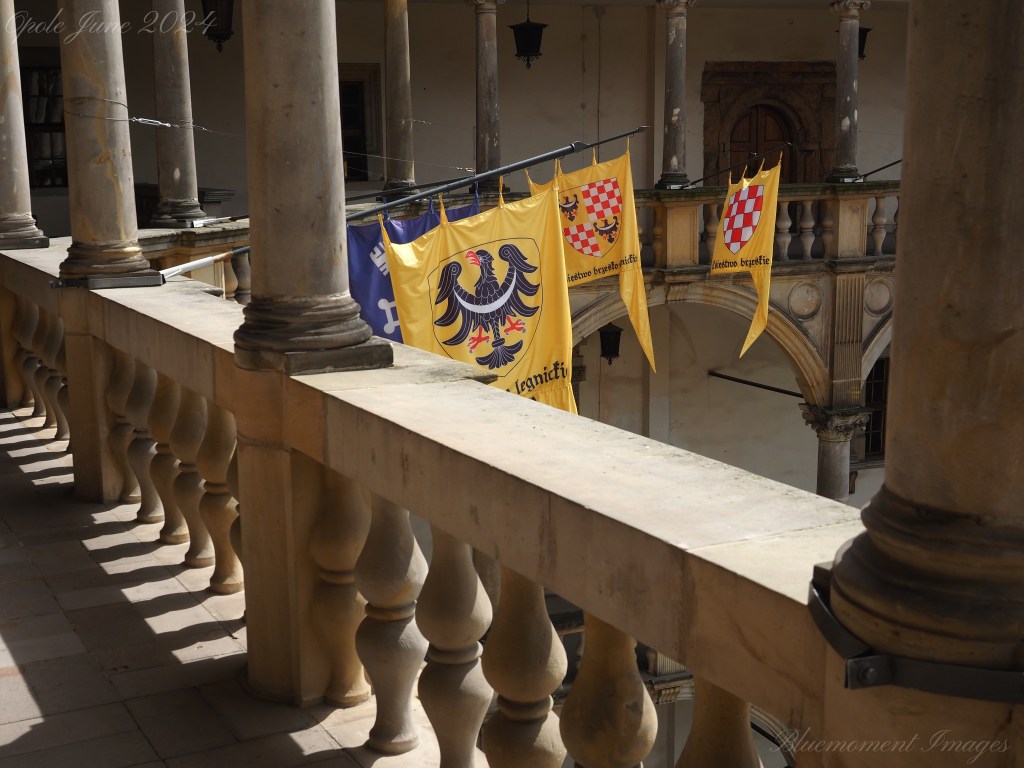
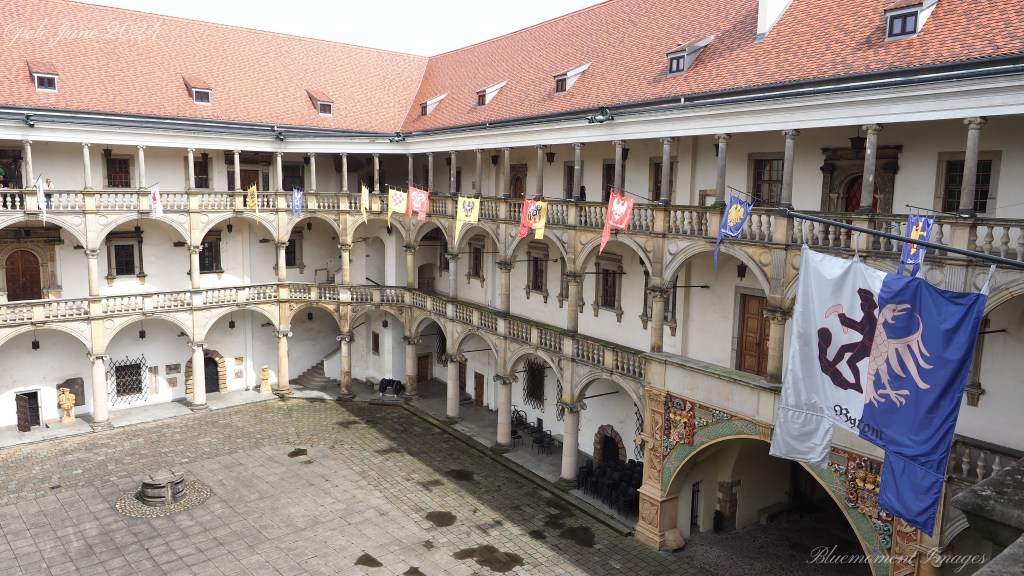
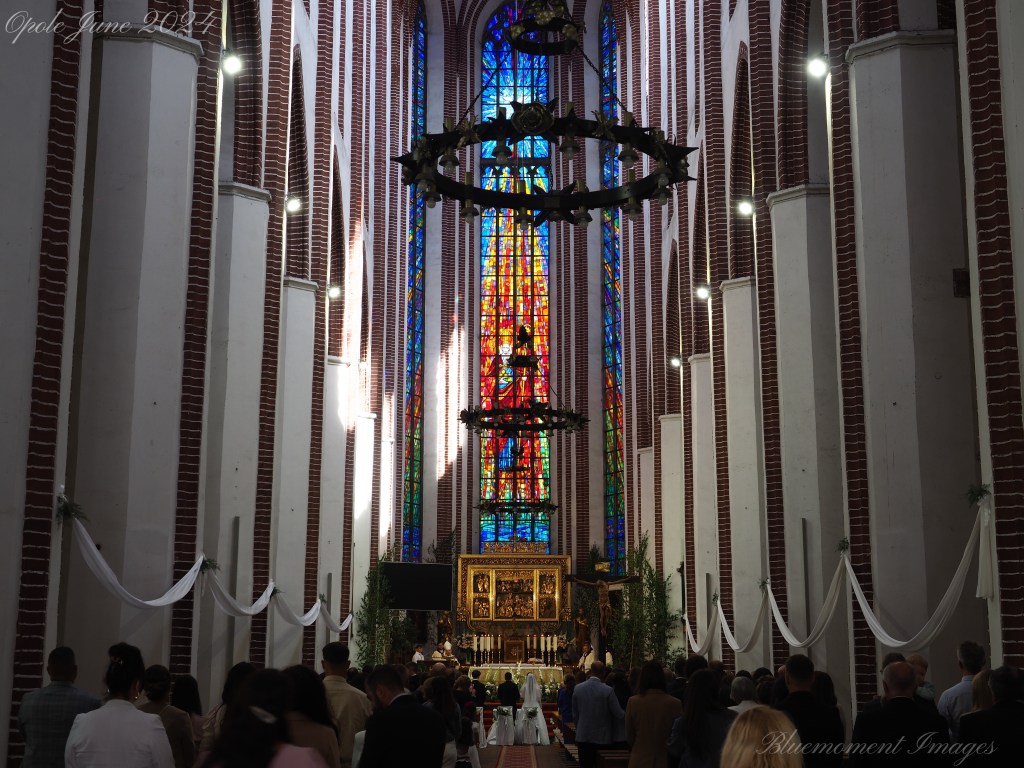
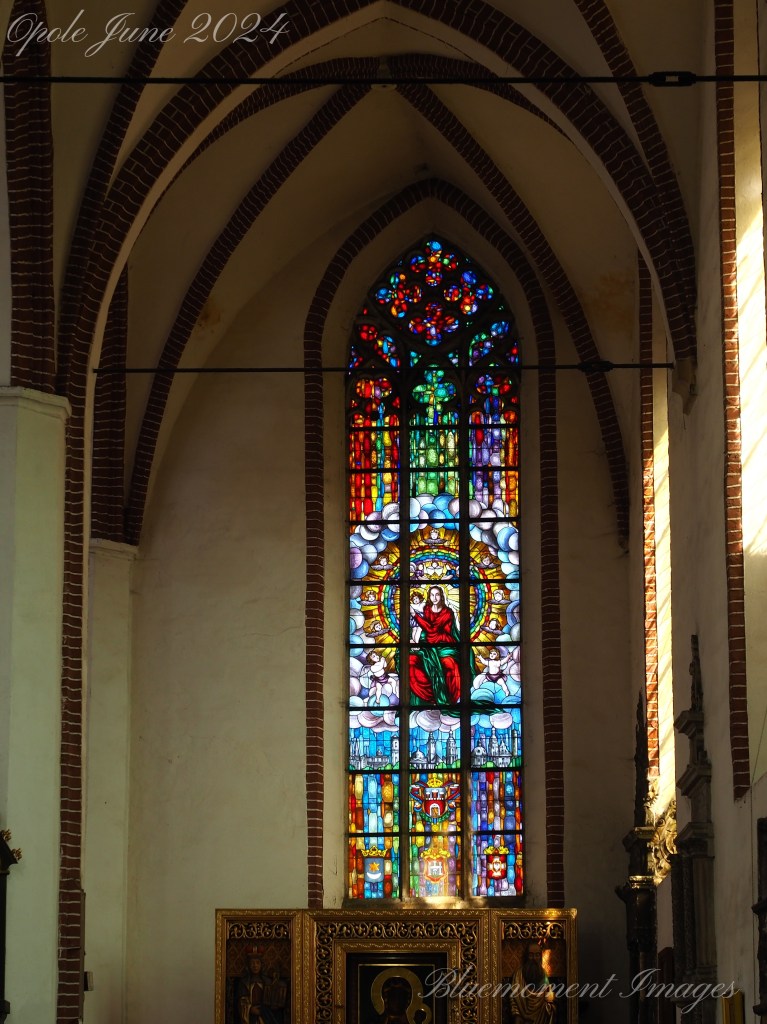
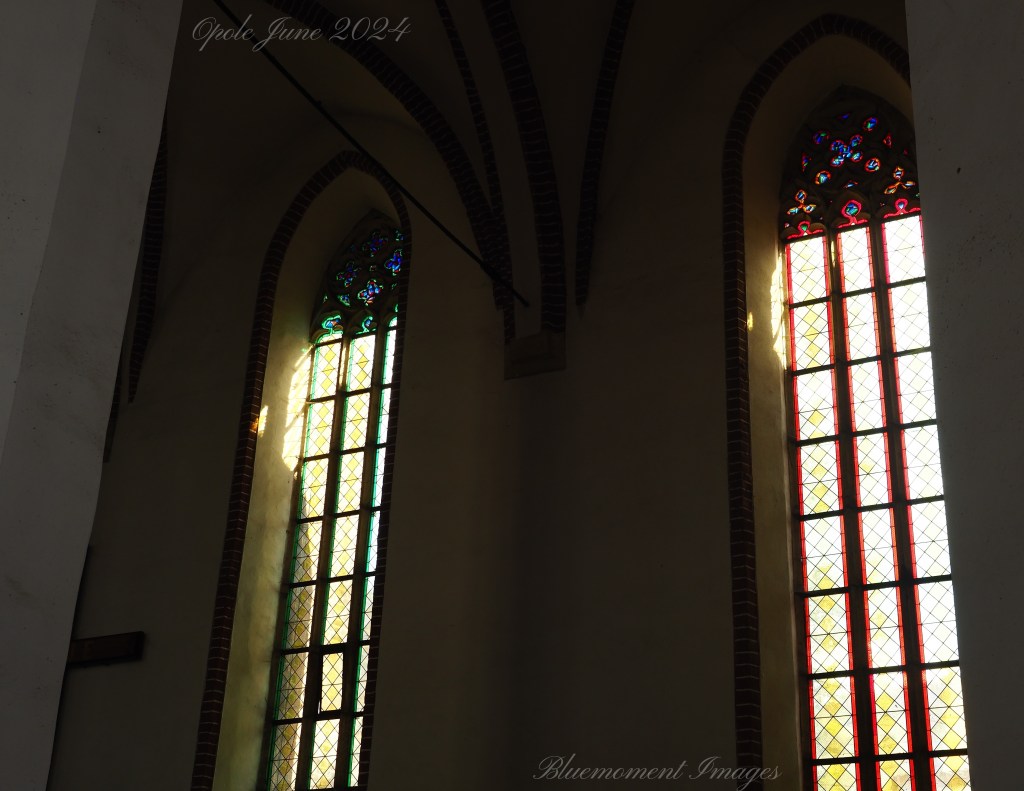
On the third day, Saturday, we visited Brzeg, a small city about half an hour away by train. Knowing that there were not too many attractions in Opole, we had scheduled the visit prior to this trip and had been looking forward to the castle. The castle was as nice as I expected. The façade, the furniture, artworks and decorations were great, but the highlight was no doubt the courtyard. The arches, storeys and columns with detailed decorations consisted a wonderful architectural space . I was quite satisfied as I could also purchase the souvenirs. On the way back to the train station of Buzek, we stopped at two churches, at one of which a wedding ceremony was being held under the stained-glass windows.
While we enjoyed the lovely towns and castles, we also encountered the reality which is common in Polish cities. In this small town of Opole, we struggled with the lack of cafes and restaurants, their early closing hours, and very few vegan (i.e., Ajka) restaurants. I found only one souvenir shop in the city center of Opole. I guess Poles don’t really enjoy shopping while traveling. Overall, however, the trip was not bad. In my opinion, it would have been better if the hotel (this time a private room of a hostel) had been better.
W pierwszym tygodniu czerwca, od czwartku do weekendu, odwiedziliśmy południowo-zachodnie miasto Polski, Opole. Opole znajduje się 430 km na południowy wschód od Szczecina. Wybraliśmy się na wycieczkę, aby świętować urodziny Ajki. Opole to historyczne miasto, w którym mieszkańcy żyli już w V wieku. Podobnie jak wiele innych polskich miast, straciło dużą część miasta podczas wojny. Miasto zostało w dużej mierze odnowione. Ratusz jest prostokątną i płaską betonową konstrukcją. Ale jednocześnie widzieliśmy, że miasto przejmuje przeszłość i jej atmosferę. Jednym z głównych elementów tego miasta wydaje się być woda, taka jak Odra i pochodzący z niej kanał. Często widzieliśmy restauracje i kawiarnie nad wodą. Były tam fontanny i strumienie wody, a także ich oświetlenie.
Ponadto czas naszej wizyty zbiegł się z festiwalem muzycznym, więc po zwiedzaniu mogliśmy obejrzeć go na publicznym telebimie na rynku.
Zabytkowa wieża obronna (Wieża Piastowska) była niestety zamknięta ze względu na instalację sprzętu na festiwal muzyczny, ale zamiast tego mogliśmy zobaczyć, jak wieża jest cudownie i nierealistycznie oświetlona w nocy. Nocna scena centralnego rynku była warta zobaczenia. Na niebie Europy o tej porze roku pozostało jeszcze trochę światła dziennego. Kolory nieba, takie jak jasnoniebieski, kobaltowy i ciemnoniebieski, a także światła placu stworzyły wspaniałą atmosferę.
Punktem kulminacyjnym drugiego dnia było Muzeum Śląska Opolskiego. Jak już wspomniałam na początku tego odcinka, “w V wieku byli tu już mieszkańcy”, muzeum było bogate w treści takie jak historia, życie ludzi, kultura, sztuka i dekoracje. Szczególnie zainteresowały mnie sekcje dotyczące topografii i archeologii. Dla mnie jest to jedna z najlepszych części podróżowania, aby myśleć o odległej przeszłości i charakterze regionu.
Trzeciego dnia, w sobotę, odwiedziliśmy Brzeg, małe miasto oddalone o około pol godziny jazdy pociągiem. Wiedząc, że w Opolu nie ma zbyt wielu atrakcji, zaplanowaliśmy wizytę przed tą podróżą i nie mogliśmy się doczekać zamku. Zamek był tak ładny, jak się spodziewałem. Fasada, meble, dzieła sztuki i dekoracje były świetne, ale główną atrakcją był bez wątpienia dziedziniec. Łuki, kondygnacje i kolumny ze szczegółowymi dekoracjami tworzyły wspaniałą przestrzeń architektoniczną. Byłem całkiem zadowolony, ponieważ mogłem również kupić pamiątki. W drodze powrotnej do stacji kolejowej Brzek zatrzymaliśmy się przy dwóch kościołach, w jednym z których pod witrażami odbywała się ceremonia ślubna.







 Japanese Man in Poland - following the inner voice ポーランドの日本人 心の声を追って Japończyk w Polsce - podążając za wewnętrznym głosem