
オーストラリアでは、難しいことを多く経験しました。前回のブログ「オーストラリアでの生活のはじまり」で書いたように、オーストラリアの住み始めの頃の印象は、そうした困難やオーストラリアでの生活のかなりの部分を集約していたのかもしれません。
オーストラリアの永住権獲得のために在籍する大学を変更しましたが、それでも翻訳のプロになることは非常に困難でした。資格を取得して関連した仕事に就くことがオーストラリアに住む理想的な方法でしたが、結局その道は半ばで諦めました。前にも書いたように、永住ビザの審査で年齢が高くなると不利に働くからでした。オーストラリアでは。大学入学は比較的簡単です。留学生の学費は、現地の学生と比較して高く(5から10倍ぐらいだと思います)、大学も留学生から収益を得たいのだと思います。RMIT大学での翻訳コースをあきらめて、次に入学したところは、メルボルン東部のLa Trobe大学の大学院でした。
その目的は、日本語教師の資格を取り、ビザに有利な永住権獲得のためのポイントを獲得することでした。入学した当初は、クラスの人たちと話したりして楽しい日々を過ごしました。このころ大学で会ったオーストラリア人の少し年上の女の人が家の近くまで車で送ってくれたこともありました。ここでも、あまり本能的に相性を感じなかったことも事実ではありましたが、彼女の好意にあまり気付かず今から考えると申し訳なかったかなと思います。その一方で、出会いを探すのに一生懸命で(インターネットで出会った相手が興味を持っていないことに気付かず無駄なデートをするなど人の心を察する力が足りないという問題があったこともありました。
さて、日本語教師の教育実習は厳しいものでした。オーストラリアでの日本語の教え方と日本での教え方の違いが大きく最後までどのようにして教えるのか最後まで分かりませんでした。日本の教師は教育内容をまとめて黒板に書いて説明するのが主な仕事であるとおもっていました。また、日本の教師は小テストや宿題を多く出します。これに対してオーストラリアではゲームや生徒とやり取りを多くしながら授業を進めてゆきます。教育内容を伝授するのではなく、内容以外の要素(例:歌、ゲーム、絵を描く)を絡めて生徒の興味を引くのがオーストラリアの教師の仕事です。
私は子供の頃授業受ける前に教科書を読み分からないことは親に聞き、予習してから行くようにと言われており、それを実行していました。親や祖母から指導を受けたこともありました。したがって、教師の話を聞くのは当たり前のことであり、生徒が興味を持とうと退屈しようと、それは教師の問題ではありません。したがって、生徒の興味を引くというのは私の概念では教師の仕事ではありませんでした。当時は、話を聞かない生徒に教師が暴力をふるう権利までありました。
身についていないをいきなり職業資格のためにやらなければならず、資格を取る見込みはほぼありませんでした。ところが、教育実習の追試で親切なスーパーバイザーが親切に教え方を伝授してくれ、大目に見て合格にしてくれました。こうして2001年に奇跡的に大学院を卒業し、永住権に必要な資格と現地での高等教育機関の卒業証書を受けることができました。永住権が確実になり、翌2月(2001年)に受け取ったと言っても、仕事を見つけることはもう一つの難題でした。

I have had a lot of difficult experiences in Australia. As I have written in my previous blog “The beginning of the life in Australia”, those experiences might have represented those difficult times and much of my life there.
Even though I have had a course transfer to another university to get Australian permanent visa granted, however, it was very difficult to be a professional translator. The ideal way to live in Australia was to get a professional qualification and find a relevant work. However I gave up that process half way. As I wrote before, if I got older and apply for the permanent visa, that would work against a grant of the visa. In Australia, it is relatively easily to enter a university. The cost of study in Australia is higher for foreign students than the local students (in my impression it was 5 to 10 times higher), so I guess the universities seek profits from foreign students. After giving up the translation course at RMIT University I entered a postgraduate course at La Trobe University in the Eastern Melbourne
The purpose of the study was to be qualified as a Japanese teacher and obtain credits necessary for the permanent visa. At the beginning of the course I enjoyed the school days chatting with classmates. I even met an older Australian lady (perhaps around 5 years older?) lady at the university who drove me on my way home. Again, looking back that time I feel sorry not able to respond well to her nuance of her liking me, though it was also true that I didn’t feel the compatibility with my intuition. On the other hand I also had a problem of reading other ones’ mind enough as I wasted the time dating with an online dating partner who was not interested in me.
Back to the study at the university, the teaching round was very difficult. I didn’t have an idea of or comprehend how to teach at an Australian high school as the teaching methods in both countries are too different. The job of the teachers seemed to me mainly writing on the blackboard and explain the content of the class. And they set us a lot of assignments and quizzes. Meanwhile in Australia the teachers carry out the classes interacting with the students and playing games, etc. The job of teachers in Australia is not simply give instruction on the teaching content but to draw attention from the students by presenting the teaching contents making use of something not relevant to them (i.e. singing, game, drawing, etc).
In my childhood I was told by my parents to read the textbook, ask questions to my parents if it was hard to understand it, and then attend the class. And I put into practice what they told me. My parents and grand parents sometimes taught me. Therefore, listening to the teacher was a matter of course and whether the students were interested in or bored by the teaching was not the matter of the teacher. So, in my idea attracting students’ attention was not the role of the teachers. In my time teachers had the right to physically punish students who did not listen to teachers.
Having to perform what I had ever experienced in my lifetime to be a professional, there was no hope to get qualified. However, in the extra teaching round, I met a kind supervisor who taught me how to teach. She overlooked my lack of experience and let me pass. In this way I could graduate the postgraduate school and had a graduate certificate of a higher educational institution. That made it most probable to be qualified for the permanent resident and had it granted in February following year (2001). However, finding a job was another difficult matter.

Miałem wiele trudnych doświadczeń w Australii. Jak napisałem w poprzednim wpisie „Początek życia w Australii”, te doświadczenia mogły reprezentować te
trudne czasy jak i dużą część mojego życia tam. Mimo że zostałem przeniesiony na inny uniwersytet, aby uzyskać stałą wizę australijską, bardzo trudno było być profesjonalnym tłumaczem. Idealnym sposobem na życie w Australii było zdobycie kwalifikacji zawodowych i znalezienie odpowiedniej pracy. Jednak zrezygnowałem z tego procesu w połowie. Jak pisałem wcześniej, gdybym się postarzał i ubiegał o wizę stałą, działałoby to na niekorzyść zdobycia tej wizy. W Australii stosunkowo łatwo jest dostać się na uniwersytet. Koszt studiów w Australii jest wyższy dla studentów zagranicznych niż studentów lokalnych (moim zdaniem był 5 do 10 razy wyższy), więc myślę, że uniwersytety szukają zysków od studentów zagranicznych. Po rezygnacji z kursu tłumaczenia na Uniwersytecie RMIT podjąłem kurs podyplomowy na Uniwersytecie La Trobe we wschodnim Melbourne Celem tych studiów było uzyskanie kwalifikacji nauczyciela języka japońskiego i otrzymanie punktów niezbędnych do uzyskania wizy stałej. Na początku kursu podobały mi się dni wypełnione pogawędkami z kolegami z klasy. Na uniwersytecie spotkałem nawet starszą Australijkę (może około 5 lat starszą?), Która podwoziła mnie do domu. Ponownie, patrząc wstecz, żałuję, że nie byłem w stanie odpowiednio zareagować na jej niuanse, że mnie lubiła, chociaż prawdą było również to, że nie byłoby to w zgodności z moją intuicją co do jej osoby. Z drugiej strony miałem problem z czytaniem w myślach innych, ponieważ marnowałem czas na randki z partnerką poznaną online, która nie interesowała się mną. Wracając do studiów na uniwersytecie praktyka nauczania była bardzo trudna. Nie miałem pojęcia ani nie rozumiałem, jak uczyć w australijskim liceum, ponieważ metody nauczania w obu krajach są zbyt różne. Praca nauczycieli wydawała mi się głównie pisaniem na tablicy i wyjaśnianiem treści zajęć. Wyznaczali nam oni wiele zadań i quizów. Tymczasem w Australii nauczyciele prowadzą zajęcia w interakcji z uczniami, grając w gry itp. Zadaniem nauczycieli w Australii nie jest po prostu udzielanie instrukcji na temat treści nauczania, ale także zwracanie uwagi uczniów poprzez prezentowanie treści nauczania z wykorzystaniem czegoś co ich nie dotyczy (tj. śpiewu, gry, rysowania itp.). W dzieciństwie rodzice kazali mi przeczytać podręcznik, zadać im pytania, gdy czegoś nie zrozumiałem, a następnie wziąć udział w zajęciach. I wprowadzałem w życie to, co mi mówili. Moi rodzice i dziadkowie czasami mnie uczyli. Dlatego słuchanie nauczyciela było sprawą oczywistą, a to, czy uczniowie byli
zainteresowani lub znudzeni nauczaniem, nie było kwestią nauczyciela. Zatem w moim rozumieniu przyciągnięcie uwagi uczniów nie było rolą nauczycieli. Za moich czasów nauczyciele mieli nawet prawo karać fizycznie uczniów, którzy ich nie słuchali. Ponieważ aby zostać profesjonalistą musiałem wykonywać to, czego nigdy nie doświadczyłem w życiu, nie było nadziei na zdobycie kwalifikacji. Jednak w dodatkowym semestrze nauczania spotkałem miłą nauczycielkę, która nauczyła mnie, jak nauczać. Przymknęła oko na mój brak doświadczenia i pozwoliła mi zdać. W ten sposób mogłem ukończyć szkołę podyplomową i uzyskać dyplom ukończenia szkoły wyższej. Dlatego najbardziej prawdopodobne było zakwalifikowanie się na pobyt stały i przyznanie go w lutym następnego roku (2001). Jednak znalezienie pracy było inną trudną sprawą.
ブックショップコーナー
日本語を勉強している皆さん、最近は無料アプリなどが出回り、
有料コースを取ったり本を買ったりする必要性を感じないかもしれません。
私も無料でポーランド語のオンライン学習をしていますが、さらに語学を学ぶのであれば語学を体系的に学ぶために文法書や有料コースが必要だと思います。例えば、過去、現在、未来の出来事について話したいと思っても文法の約束事を知らなければ話すことはできません。
ここで紹介するのは、日本語の文法を学べる本、そして無料で試すことができるコースです。 下の画像をクリックしてチェックしてみてください
Kej’s bookshop
If you are learning Japanese you may not feel nowadays the need to take a paid language course or purchase a book thanks to free app and similar services.
I also learn Polish online for free, but I do feel the need to read a grammar book or take a paid course to learn a language systematically. For example of you talk about past, present and future events, without grammatical rules you may not be able to express yourself.
Here I would like to recommend a book to learn Japanese grammar and a course with free trial. Please find them out by clicking the image below:
Jeśli uczysz się japońskiego, w dzisiejszych czasach możesz nie odczuwać potrzeby podjęcia płatnego kursu językowego lub zakupu książki dzięki bezpłatnej aplikacji i podobnym usługom.
Uczę się również polskiego online za darmo, ale czuję potrzebę czytania książki gramatycznej lub uczestnictwa w płatnym kursie, aby systematycznie uczyć się języka. Na przykład mówisz o przeszłych, obecnych i przyszłych wydarzeniach, bez reguł gramatycznych możesz nie być w stanie wyrazić siebie.
Tutaj chciałbym polecić książkę do nauki gramatyki japońskiej i kurs z bezpłatnym okresem próbnym. Znajdź je, klikając obraz poniżej:
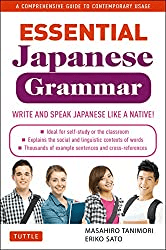
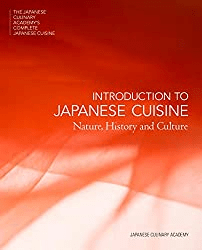
このブログの本を読んでいる皆さんの中には日本料理に興味がある、実際に作ってみたいと思う方もいらっしゃるのではないかと思います。そういった方のために以下の本をご紹介します。
Some of the readers of this blog may be interested in Japanese cuisines or would like to cook them. For those people I would like to recommend the following books:

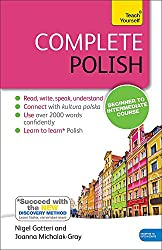
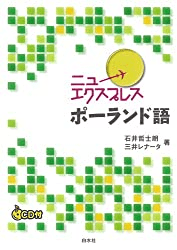
ポーランド語を学習されたい方がいましたら、こちらです。Here are books for you if you would like to learn Polish
P.S. I take photos for both my stockphotos collection and my own collection. Today I would like to invite you to my stockphotos collections. Should you are interested to see my photos please click the photo below:
ストックフォトと自身のコレクションのために写真を撮っています。ご興味のある方は、下の写真をクリックしてください。
Robię zdjęcia zarówno dla Stockphoto jak i do mojej własnej kolekcji. Dzisiaj chciałbym zaprosić Was do mojej kolekcji na Stockphoto. Jeśli jesteście zainteresowani, kliknijcie w zdjęcie poniżej.
 Japanese Man in Poland - following the inner voice ポーランドの日本人 心の声を追って Japończyk w Polsce - podążając za wewnętrznym głosem